

McDonald’s McRib Class Action Lawsuit Update 2026: Is the “Rib” Name Deceptive?
As of March 2026, one of the most recognizable items in fast-food history is facing a significant legal challenge in federal court. A nationwide class action lawsuit, Le et al. v. McDonald’s Corporation, was filed in late December 2025, alleging that the McRib sandwich is marketed in a way that fundamentally misleads consumers. The central argument of the case, currently unfolding in the U.S. District Court for the Northern District of Illinois, is that the name “McRib” and the patty’s distinctive bone-like shape falsely imply the product contains actual pork rib meat—a premium cut that plaintiffs claim is entirely absent from the sandwich.
The Allegations: A “Sleight of Hand” Marketing Strategy
The lawsuit, brought by four plaintiffs from California, New York, Illinois, and Washington, D.C., characterizes the McRib’s branding as a “deliberate sleight of hand.” According to the complaint, while the sandwich is famously shaped like a miniature rack of ribs, the meat is actually a “restructured” pork product. The plaintiffs allege that the patty is composed of lower-grade pork cuts, including pork shoulder and, more controversially, components such as heart, tripe, and scalded stomach.
The legal team representing the consumers argues that this marketing creates a specific set of misconceptions:
- Premium Perception: By using the word “Rib,” McDonald’s encourages customers to associate the sandwich with high-quality cuts like baby back ribs or spareribs, which typically command a higher market price.
- Visual Deception: The “rib-like” silhouette of the patty is cited as an intentional effort to reinforce the idea that the meat is sourced from the rib area of the pig.
- Pricing Discrepancy: The lawsuit highlights that the McRib is often one of the most expensive individual items on the menu—reaching as high as $7.89 in some locations in late 2024 and 2025—which further leads reasonable consumers to believe they are paying for a premium protein.
McDonald’s Response: “Distorting the Facts”
McDonald’s has moved quickly to defend its iconic seasonal offering, issuing several statements throughout early 2026. The company maintains that the lawsuit “distorts the facts” and that many of the claims regarding the ingredients are inaccurate. Specifically, McDonald’s has refuted the claims that it uses pork hearts, tripe, or scalded stomach in the McRib, stating that such items are not permitted in any of its pork products.
The company’s defense rests on two primary pillars:
- Ingredient Transparency: McDonald’s asserts that it has always been transparent about the McRib’s contents, describing it as “seasoned boneless pork” on its website and in its app. They argue that a “reasonable consumer” understands the McRib is a boneless sandwich and can easily access the full ingredient list, which includes pork, water, salt, and rosemary extract.
- 100% Real Pork: The fast-food giant emphasizes that the patty is made with 100% pork sourced from U.S. suppliers, and that the “restructured” nature of the meat is a standard food processing technique used to ensure consistency across thousands of locations.
The Scarcity Tactic and Consumer Scrutiny
An interesting facet of the March 2026 litigation is the focus on the McRib’s “Farewell Tours” and limited-time availability. The plaintiffs argue that by creating a “sense of urgency” through sporadic releases, McDonald’s discourages consumers from performing deep scrutiny of the ingredients. The lawsuit suggests that the excitement and “cult status” generated by these limited runs act as a shield, preventing sustained discussion about the actual quality of the meat until after the purchase is made.
This scarcity model was notably leveraged in November 2025, when the sandwich returned to major markets like Chicago, Miami, and Los Angeles. The lawsuit claims that this most recent run resulted in “millions of dollars in consumer harm” because buyers were once again duped by the “rib” branding during the promotional window.
Standards of Quality and Corporate Disclosure
The McRib case underscores the legal importance of aligning marketing imagery with product reality. In many technical fields, ensuring that the final output matches the initial “blueprint” is essential for avoiding liability. For instance, integrated design and construction models provide a transparent framework so that stakeholders know exactly what materials are being used in a project. Similarly, as the fast-food industry faces increased litigation over “shrinkflation” and ingredient transparency, keeping up with employment law updates for 2026 is vital for corporate compliance teams managing these high-profile disputes.
Current Legal Status: March 2026
As of mid-March 2026, the case is in the early stages of litigation. The plaintiffs are currently seeking class certification for all U.S. consumers who purchased a McRib in the four years prior to the filing. If granted, this could potentially open the door for millions of customers to seek restitution. The lawsuit is requesting compensatory and punitive damages, as well as an injunction to prevent McDonald’s from using the “McRib” name or rib-like shape unless the sandwich actually contains rib meat.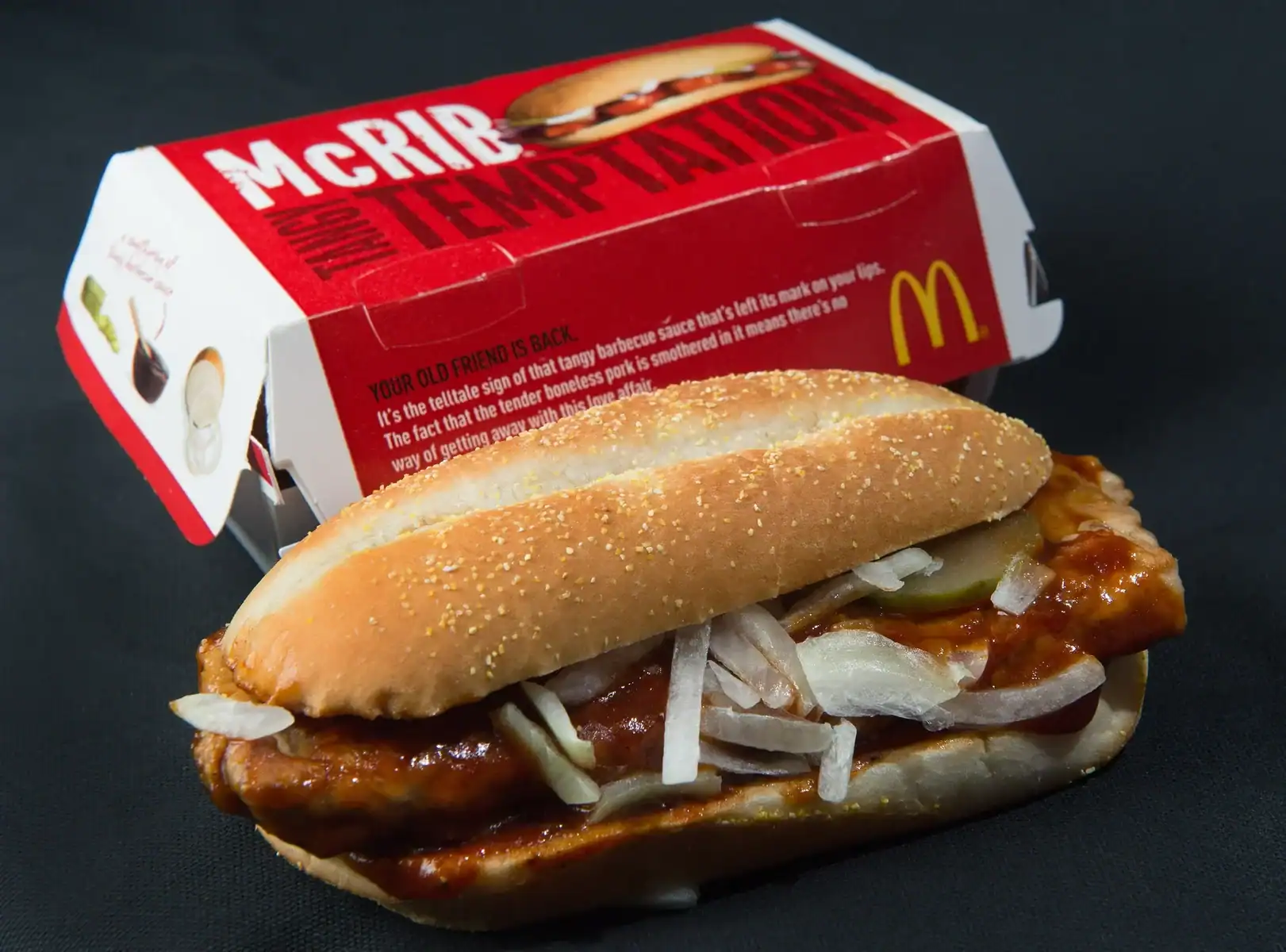
Key Milestones to Follow:
- Motion to Dismiss: McDonald’s is expected to file a motion to dismiss the case in the second quarter of 2026, arguing that no “reasonable consumer” is actually deceived by the product’s name.
- Survey Evidence: The court will likely review consumer surveys conducted for the case, which reportedly show that a majority of respondents expected the McRib to include rib meat based on its name and images.
- Discovery Phase: If the case proceeds, the discovery process may force McDonald’s to reveal more granular details about its pork sourcing and the specific “restructuring” process used for the McRib patty.
For more insights on how to protect your brand from false advertising claims and secure your creative assets, explore our guide on intellectual property protection strategies. Whether the McRib keeps its name or undergoes a court-ordered rebrand, this case will set a major precedent for how “suggestive” marketing is treated in the American food industry.