
Adapting to Change
The Threshold: Substantial Change in Circumstances
The most critical concept in modification law is the requirement of a “Substantial Change in Circumstances.” Courts will generally not entertain a request for modification unless the change is significant, ongoing, and was not contemplated at the time the original order was issued. A minor fluctuation in monthly income or a one-time bonus usually does not meet this legal bar.
Common Grounds for Modification:
- Income Shifts: An involuntary job loss, a significant promotion, or a career change that results in at least a 10-15% difference in net income.
- Medical Needs: The sudden onset of a chronic illness or disability for either a parent or the child, leading to increased healthcare costs.
- Custody Adjustments: A significant shift in the “time-share” arrangement, such as a child moving from one parent’s home to the other full-time.
- Emancipation or Age Milestones: When an older child reaches the age of majority or enters college, which may trigger a recalculation or termination of support.
The Danger of “Self-Help” and Informal Agreements
One of the most dangerous pitfalls parents encounter is the “handshake agreement.” When a paying parent loses their job, the receiving parent may kindly agree to accept a lower amount temporarily. However, informal agreements are not legally binding.
Under the law, child support debt (arrears) typically cannot be retroactively reduced. If a parent pays less than the court-ordered amount based on a verbal agreement, the other parent can later go to court and demand the full balance. The only way to safely change the payment amount is to obtain a new court order signed by a judge.
The Role of Voluntary vs. Involuntary Changes
Courts look closely at the intent behind a life change. If a parent quits a high-paying job to “avoid” child support, the court may impute income. This means the judge will calculate support based on what the parent *could* be earning, rather than what they are currently making. Conversely, if a parent is laid off due to an industry-wide downturn, the court is much more likely to grant a downward modification because the change was involuntary and outside the parent’s control.
The Calculation Methodology
Once the threshold for a modification is met, the court will perform a fresh calculation using the state’s current guidelines. In 2026, many jurisdictions have updated their formulas to better account for the rising costs of childcare and extracurricular activities. This recalculation considers the combined gross income of both parents, health insurance premiums, and mandatory retirement contributions.
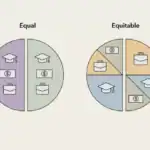
Conclusion: Ensuring Equitable Support
In conclusion, modifying a child support order is a formal legal process that requires more than just a change in fortune; it requires proof of a permanent shift in the family’s economic landscape. For the paying parent, seeking a modification immediately upon a job loss is vital to prevent the accumulation of unmanageable debt. For the receiving parent, ensuring the order reflects the other parent’s increased earnings ensures the child continues to benefit from both parents’ successes.
The legal system is designed to be flexible, but that flexibility must be accessed through the proper channels. By maintaining clear financial records and acting swiftly when life changes occur, parents can move away from conflict and toward a sustainable financial arrangement. Ultimately, the goal of any modification is not to punish one parent or reward the other, but to ensure that the support provided remains a reliable and fair foundation for the child’s future.