

The Krafton Subnautica 2 Lawsuit: 2026 Ruling, Reinstatements, and the ChatGPT Controversy
In a stunning legal defeat for South Korean gaming giant Krafton, a Delaware Chancery Court judge issued a “bombshell” ruling on March 16, 2026. The decision effectively reverses the July 2025 ouster of the leadership team at Unknown Worlds, the studio behind the massive Subnautica franchise. The Krafton Subnautica 2 lawsuit response has become one of the most talked-about topics in the tech world, not just for the $250 million at stake, but for the revelation that Krafton’s CEO allegedly used AI to “brainstorm” ways to avoid paying his employees.
For SEO strategists and legal analysts monitoring corporate litigation, this case is a landmark study in “bad faith” contract terminations and the limits of executive power. This article provides a comprehensive breakdown of Vice Chancellor Lori Will’s 2026 ruling, Krafton’s official response to the reinstatement order, and what this means for the highly anticipated Early Access launch of Subnautica 2.
The Conflict: A $250 Million “Earnout” at Risk
The core of the dispute dates back to Krafton’s 2021 acquisition of Unknown Worlds for $500 million. As part of that deal, the founders—Ted Gill, Charlie Cleveland, and Max McGuire—were promised an additional “earnout” bonus of up to $250 million if the studio met specific revenue targets by the end of 2025. By early 2025, internal projections showed that a successful Early Access release of Subnautica 2 would easily trigger this massive payout.
In July 2025, Krafton “went nuclear,” firing the founders and claiming they had “abandoned their duties” to work on personal projects. Krafton’s initial lawsuit response argued that the developers were rushing an “underbaked” game to market just to secure their payday, potentially damaging the franchise’s long-term value. However, the developers countered that Krafton was intentionally delaying the game to push the release date outside of the earnout window, effectively stealing $250 million from the team that built the IP.
The 2026 Ruling: Pretext and “Project X”
The March 16, 2026, ruling by Vice Chancellor Lori Will was a scathing indictment of Krafton’s tactics. The judge found that Krafton’s claims of “cause” for the firings were entirely pretextual. The court unsealed documents revealing “Project X”—a secret internal task force at Krafton dedicated to either forcing the founders to forfeit their bonus or executing a “takeover” of the independent studio.
Most embarrassingly for the publisher, the court heard evidence that Krafton CEO Changhan Kim used ChatGPT to generate strategies on how to bypass the legal protections in the founders’ contracts. The judge noted that “when an employer faces a nine-figure liability, it is heavily incentivized to go rummaging through an employee’s history to find any reason it can to announce the termination was for cause.” The court ruled that the July 1, 2025, board resolution was “ineffective” and ordered the immediate reinstatement of Ted Gill as CEO.
Krafton’s Official Response: “Evaluating Options”
Following the court order, Krafton issued a formal statement on March 17, 2026. The company stated: “While we respectfully disagree with today’s ruling, we are evaluating our options as we determine our path forward. Today’s ruling does not resolve the former executives’ claim for damages, with further litigation still pending. In the meantime, Krafton’s immediate focus remains unchanged: delivering the best possible game to Subnautica’s fans.”
Despite this measured response, the court’s injunction is powerful. Krafton has been ordered to restore Gill’s access to the Steam platform and is prohibited from impeding his authority over the Subnautica 2 release schedule. Furthermore, the court has equitably extended the earnout deadline by 258 days (the length of the wrongful termination), moving the target date to September 15, 2026. This ensures that the developers still have a fair shot at the $250 million bonus they were allegedly ousted to avoid.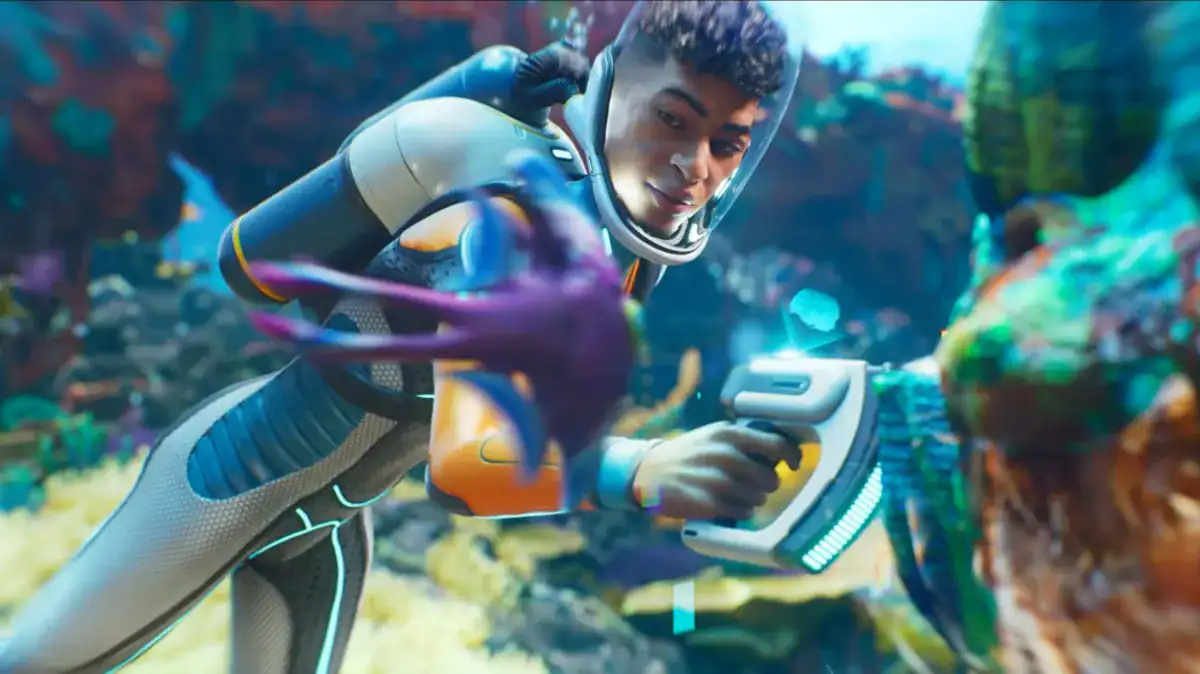
Internal Linking and Legal Resources
The use of “pretextual” evidence and AI-generated legal strategies in the Krafton case highlights a growing trend in litigation updates for 2026. If you are interested in how other corporations handle record-keeping disputes and “bad faith” allegations, see our analysis of the Bank of America mortgage lawsuit. Similarly, the challenges of managing digital footprints in high-stakes disputes are explored in our report on the T-Mobile 2025 settlement.
For those monitoring transparency in corporate governance, visit our post on the New Mexico IPRA records case. You may also find our update on the Rippling Deel “corporate spy” lawsuit helpful for understanding how “espionage” narratives are used in the tech sector. If you are navigating a complex breach of contract or an employment dispute and need a confidential consultation, please visit the Bill Jones Law Contact portal. Our team also provides a full 2026 breakdown of TurboTax consumer restitution.