
Final Payouts and Future Warranty Coverage
For owners of older Duramax-equipped Chevrolet and GMC trucks, the long-running legal battle over the Bosch CP4 high-pressure fuel pump has reached a definitive conclusion. As of 2026, the GM CP4 fuel pump lawsuit (Chapman, et al. v. General Motors LLC) has moved from active litigation into the final distribution phase. This settlement addresses allegations that GM knowingly installed a fuel pump that was incompatible with American ultra-low sulfur diesel, leading to “catastrophic” engine failures that cost owners upwards of $10,000 in out-of-pocket repairs. With the claims period now closed, eligible class members are transitioning into the payment and extended warranty phases of the $50 million agreement.
Final Settlement Approval and Payout Timelines
The settlement received final judicial approval in May 2025, setting the stage for a massive administrative effort to verify thousands of claims. For those who met the November 6, 2025, filing deadline, the first quarter of 2026 marks the beginning of the distribution period. Most valid claimants are expected to receive their checks or digital payments by late March or early April 2026. The GM CP4 fuel pump lawsuit payout structure is tiered based on whether the owner paid for repairs or simply suffered diminished vehicle value due to the known defect.
According to court documents, former owners who did not experience a failure but sold their vehicles at a loss may see pro-rata payments ranging from $400 to $800. However, the most significant compensation is reserved for the “Repair Fund,” where individuals who paid for CP4 failures out of warranty are eligible for reimbursements between $6,300 and $12,700. This level of financial recovery is rare in automotive class actions and reflects the high cost of fuel system contamination. For a deeper understanding of how these multi-state legal agreements are structured, you may find our insights on asset protection and civil litigation useful.
Affected Models and State Restrictions
One of the most critical aspects of the GM CP4 fuel pump lawsuit is its geographic and model-specific limitations. Unlike some nationwide recalls, this settlement primarily covers vehicles purchased from authorized GM dealers in seven specific states: California, Florida, Illinois, Iowa, New York, Pennsylvania, and Texas. The litigation successfully argued that the diesel fuel standards in these specific regions exacerbated the lack of lubrication in the CP4 pump.
The affected vehicles include:
- Chevrolet Silverado 2500HD & 3500HD: 2011–2016 models with the 6.6L Duramax LML engine.
- GMC Sierra 2500HD & 3500HD: 2011–2016 models with the 6.6L Duramax LML or LGH engine.
- Chevrolet Express & GMC Savana Vans: 2010–2011 diesel models.
The core of the defect involves the “running dry” phenomenon, where metal-on-metal contact inside the pump generates fine shavings. These shavings then circulate through the entire high-pressure system, destroying injectors and fuel lines. This mechanical chain reaction is often compared to the structural failures addressed in commercial real estate litigation, where a single faulty component can lead to a total loss of the primary asset.
Future Repairs and the 2026 Warranty Extension
Even though the deadline to file for past repairs has passed, the GM CP4 fuel pump lawsuit provides ongoing protection through May 6, 2026. This is known as the “Partial Repair Reimbursement Program.” This program acts as a secondary warranty, offering to reimburse 50% of the cost for any CP4 repair or replacement performed at a GM-authorized dealership before the May 2026 cutoff, or until the truck reaches 200,000 miles.
This future-looking provision is essential because the CP4 pump remains in many vehicles that have not yet failed. Owners are encouraged to use fuel additives specifically designed for lubricity or consider “CP3 conversion kits” (though these may affect settlement eligibility if not performed correctly). The requirement that repairs be done at an authorized dealer is a strict compliance standard, much like the rigorous corporate compliance and consumer protection protocols that manufacturers must follow during large-scale safety probes.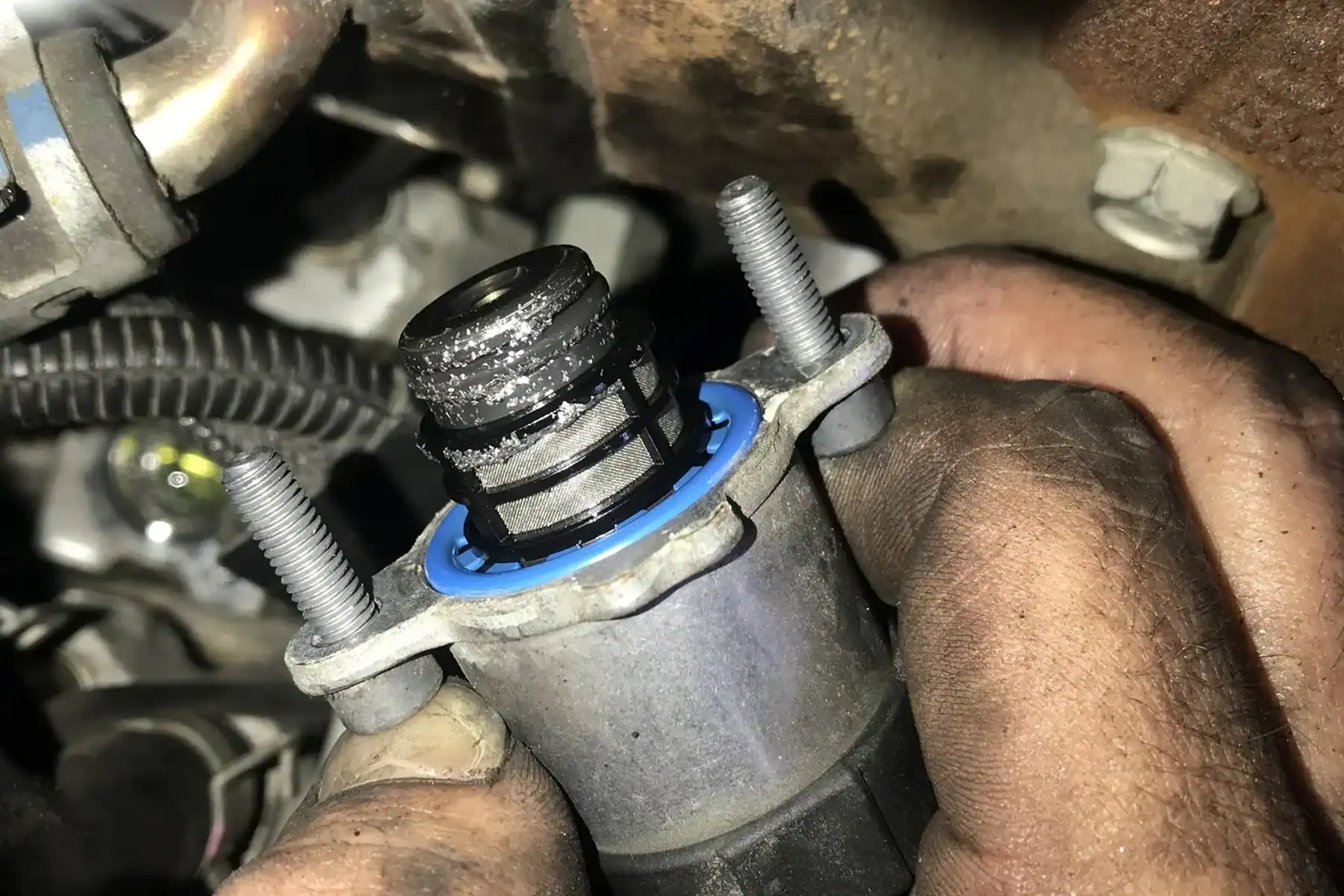
The Mechanical Defect Explained
The Bosch CP4 was designed primarily for European diesel, which historically had higher lubricity than the Ultra-Low Sulfur Diesel (ULSD) used in the United States. Without sufficient lubrication, the internal cam and rollers inside the pump wear down prematurely. This friction creates the infamous “glitter” (metal shavings) that owners find in their fuel filters. When the pump fails, it often happens while the vehicle is in motion, posing a significant safety risk on highways.
Class counsel argued successfully that GM was aware of this incompatibility during testing but proceeded with the CP4 to meet fuel efficiency and power targets. The result was a “ticking time bomb” for consumers. The settlement not only compensates for the financial burden but also serves as a warning to other manufacturers using imported components that aren’t fully optimized for domestic fuel or environmental conditions.
Conclusion: Closing the Chapter on CP4 Litigation
As the final checks are mailed in early 2026, the GM CP4 fuel pump lawsuit stands as a significant victory for diesel truck owners. While it does not cover every truck in every state, it provides a substantial recovery for those in the hardest-hit regions. Owners who missed the filing deadline should still monitor their vehicles closely and take advantage of the 50% reimbursement program before it expires in May 2026. Staying proactive with maintenance and keeping detailed service records remains the best way to manage the risks associated with this high-pressure fuel system.