

Strava v. Garmin Patent Lawsuit Update 2026: The “Climbdown” and Continued Integration
As of March 2026, the high-profile legal standoff between the two giants of the fitness technology world—Strava and Garmin—has largely moved from the courtroom back to the sync cable. After a brief but intense period of litigation in late 2025 that threatened to upend the data-sharing habits of millions of athletes, the legal battle has effectively concluded. Following a voluntary dismissal of the lawsuit by Strava in October 2025, the relationship between “Mom and Dad” (as the community famously dubbed them) has stabilized into a new era of transparent, if slightly more branded, cooperation.
The 2025 Legal Explosion: Patents and Injunctions
The conflict reached a boiling point on September 30, 2025, when Strava filed a multifaceted lawsuit in the U.S. District Court for the District of Colorado. The filing, Strava, Inc. v. Garmin Ltd., alleged that Garmin had infringed on several of Strava’s foundational patents, specifically those related to GPS-based segments and global heatmaps. Strava contended that Garmin had used the access granted by a 2015 Master Cooperation Agreement to reverse-engineer these features for its own Garmin Connect platform, rather than simply hosting Strava-branded content.
The lawsuit made waves in the tech industry because of its aggressive demands, which included:
- Permanent Injunctions: Strava requested that the court block Garmin from selling nearly all of its flagship devices, including Forerunner, Fenix, and Epix watches, as well as Edge cycling computers.
- Feature Removal: A demand that Garmin remove its “Live Segments” and “Trendline Popularity Routing” features from its ecosystem.
- Monetary Damages: Compensation for “irreparable harm” to Strava’s brand and erosion of its competitive differentiation.
However, the legal world and the fitness community were quick to point out the ironies of the case. Tech analysts, including those from DC Rainmaker, noted that Garmin had implemented heatmap features as early as 2013—predating some of the patents Strava was attempting to enforce. This raised significant questions about the “novelty” of the claims and the likelihood of the lawsuit surviving a discovery phase.
The API Ultimatum: The Real Trigger?
While the court filing focused on patents, Strava’s leadership—including Chief Product Officer Matt Salazar—suggested on public forums that the real friction stemmed from a change in Garmin’s API Developer Guidelines. In July 2025, Garmin introduced a mandatory requirement that any data originating from a Garmin device must be clearly attributed with a Garmin logo or text on all third-party platforms, including sharing cards and activity screens.
Strava initially resisted this as “blatant advertising” that cluttered its minimalist user interface. Garmin responded with an ultimatum: comply by November 1, 2025, or lose access to the Garmin Connect API. Such a move would have effectively “turned off the tap” for a massive percentage of Strava’s data, potentially driving users to abandon the social platform in favor of Garmin’s native ecosystem.
October 2025: The Voluntary Dismissal
In what legal observers called a “humiliating climbdown,” Strava voluntarily dismissed the lawsuit on October 21, 2025, just 21 days after it was filed. The dismissal was made “without prejudice,” meaning Strava technically retains the right to file again, but as of March 2026, no such action has been taken.
The resolution was accompanied by a clear shift in Strava’s policy. By November 1, 2025, Strava updated its platform to include the requested Garmin attribution. Today, in March 2026, users will notice that activities uploaded from Garmin devices now carry a discrete but visible label—such as “Insights derived from Garmin-sourced data”—acknowledging the hardware’s contribution. Strava has even extended this “fair attribution” model to other partners like Coros, Apple, and Suunto to maintain a neutral stance across its platform.
Lessons in Data Sovereignty and Partnerships
The Strava-Garmin saga illustrates the delicate balance of “co-opetition” in the digital age. When hardware and software companies share a user base, the lines of intellectual property can blur. In many industries, preventing these types of conflicts requires a rigid framework of transparency and documented development. For instance, integrated design and construction models are used to clarify ownership and responsibility from the outset of a project. Similarly, as the tech workforce moves between these giants, understanding employment law updates for 2026 regarding non-compete clauses and trade secrets is more critical than ever for engineers and designers.
Current Status in March 2026
For the average runner or cyclist, the “war” is over. Syncing between Garmin and Strava remains seamless and uninterrupted. While some “power users” expressed frustration at the legal posturing and threatened to cancel their subscriptions, the predicted mass exodus from Strava largely failed to materialize once the connectivity was guaranteed.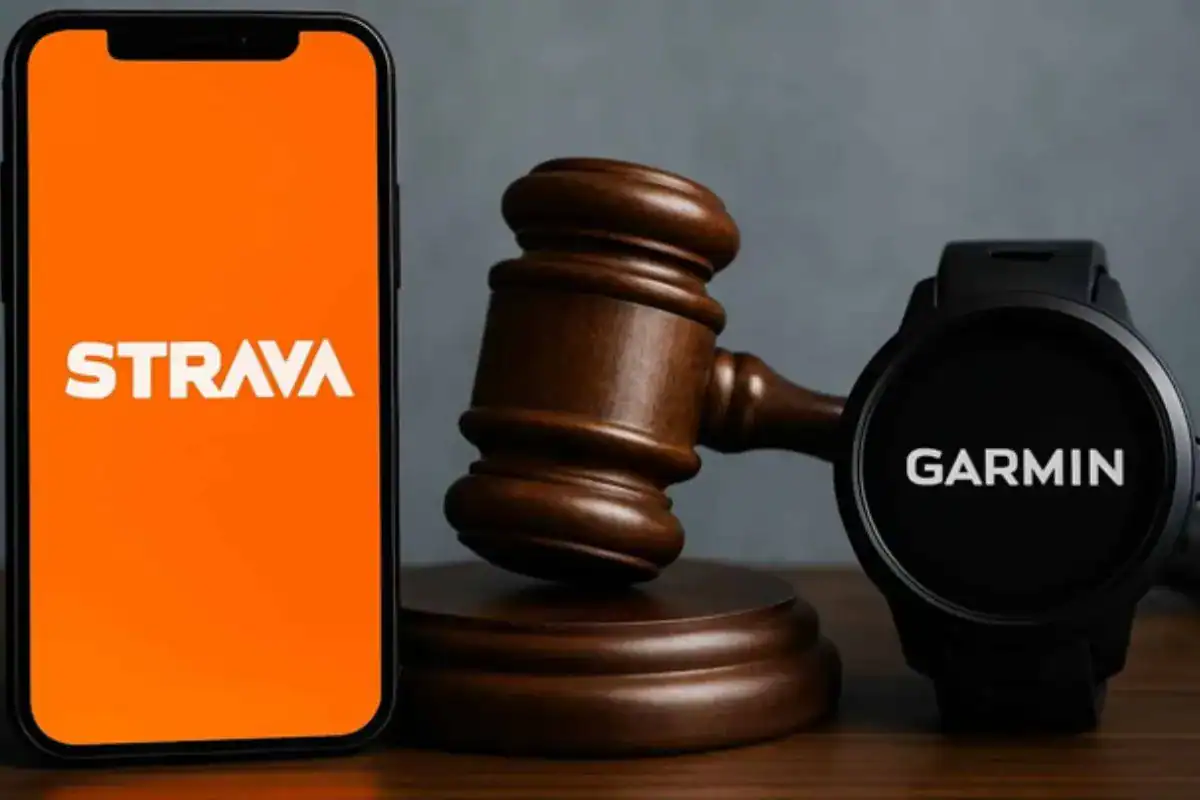
Key Takeaways from the Resolution:
- Interoperability Wins: The threat of a “walled garden” was the primary concern for users. The dismissal of the suit confirms that both companies recognize they are more valuable to users when they work together.
- Branding as Currency: Garmin successfully asserted its “platform sovereignty,” proving that hardware providers hold significant leverage over the social platforms that host their data.
- IPO Readiness: Industry insiders speculate that Strava moved to settle the dispute to clear the path for its planned 2026 IPO, as an active, high-risk patent battle against its primary data supplier would have been a major red flag for potential investors.
For more insights on how to protect your own digital innovations and navigate the complexities of modern business agreements, explore our guide on intellectual property protection strategies. The resolution of the Strava-Garmin lawsuit in 2026 serves as a case study in how user-centric community trust will almost always outweigh corporate friction in the fitness tech landscape.