

The Popeyes Ontario Lawsuit: Allegations of Unsafe Chicken and Supply Chain Mismanagement
Popeyes Louisiana Kitchen, a titan in the quick-service restaurant industry, is currently facing a massive legal challenge in Canada. A lawsuit filed in the Ontario Superior Court of Justice has sent shockwaves through the franchise community, alleging that several Ontario-based locations were involved in the purchase and sale of “unsafe” meat. The legal action, initiated by a former authorized supplier, raises serious questions about food safety protocols, franchisee oversight, and the integrity of global supply chains. As the case progresses into 2026, the implications for Restaurant Brands International (RBI)—the parent company of Popeyes, Tim Hortons, and Burger King—are significant, both legally and reputationally.
Core Allegations: The “Black Market” Chicken Scandal
The lawsuit was filed by ADP Direct Poultry Ltd. (ADP), a company that previously held a contract to supply raw chicken to Popeyes locations across Ontario. The central claim of the lawsuit is startling: ADP alleges that various Popeyes franchisees bypassed authorized supply chains to purchase chicken from an unapproved third-party vendor. This unauthorized seller, identified in court documents as Amjad Farooq Inc., reportedly operated out of residential garages in Ontario, where meat was allegedly stored and packaged without proper refrigeration or health inspections.
According to the statement of claim, this “black market” chicken was at times expired, rotten, and unfit for human consumption. Furthermore, the lawsuit alleges that the meat was transported in unrefrigerated vehicles, creating a severe public health risk. ADP claims that it lost its lucrative supply contract, which was slated to run until 2027, specifically because it raised red flags about these unsafe practices to Popeyes’ head office and the supply chain manager, Restaurant Services Canada Inc. (RSCI).
Legal Claims and Financial Damages
ADP is seeking a total of $35 million in damages from the defendants, which include Popeyes, RBI, and RSCI. The breakdown of the sought-after compensation includes:
- $30 Million for Lost Profits: Compensation for the premature termination of their exclusive supply agreement.
- $5 Million for Capital Investments: Recovery of costs incurred after ADP expanded its facilities to meet Popeyes’ growing production demands.
- $1 Million in Punitive Damages: Aimed at punishing the defendants for what ADP describes as “malicious and high-handed” conduct.
The lawsuit also targets the unauthorized supplier for $10 million for “unlawfully interfering” with ADP’s economic relationships. Perhaps most significantly for the local business community, the claim seeks $150,000 from each individual franchisee named in the suit, alongside an accounting of all profits made from the sale of the unauthorized poultry products.
Popeyes’ Defense and the Role of Franchisor Oversight
For its part, Popeyes and Restaurant Brands International have flatly denied the allegations. In public statements, the company maintained that an internal investigation found “no evidence” to support ADP’s claims. They characterized the lawsuit as an act of retaliation by a disgruntled former vendor who lost their business for “legitimate reasons.” Despite this denial, the case highlights the legal risks inherent in the franchise model. Franchisors are generally required to enforce strict quality standards, but this lawsuit alleges a systemic failure to monitor where franchisees were actually sourcing their primary ingredients.
The Impact of Social Media and Public Perception
While the legal merits of the case have yet to be fully tested in court, the court of public opinion has already weighed in. Viral videos on platforms like TikTok have garnered millions of views, with consumers expressing concern over food safety. This reputational damage can often be more costly than the legal settlement itself. For businesses, this serves as a reminder that transparency in the supply chain is no longer optional; it is a requirement for maintaining consumer trust in the digital age.
Connecting Legal Frameworks to Business Stability
Disputes over supply chains and contractual milestones are not unique to the food industry. Similar legal complexities often arise in large-scale infrastructure projects. For instance, understanding integrated design and construction models can provide insight into how professional service agreements manage risk and accountability. Furthermore, as labor and health regulations evolve, staying informed on employment law updates for 2026 is essential for franchisees who must manage staff while navigating high-stakes litigation.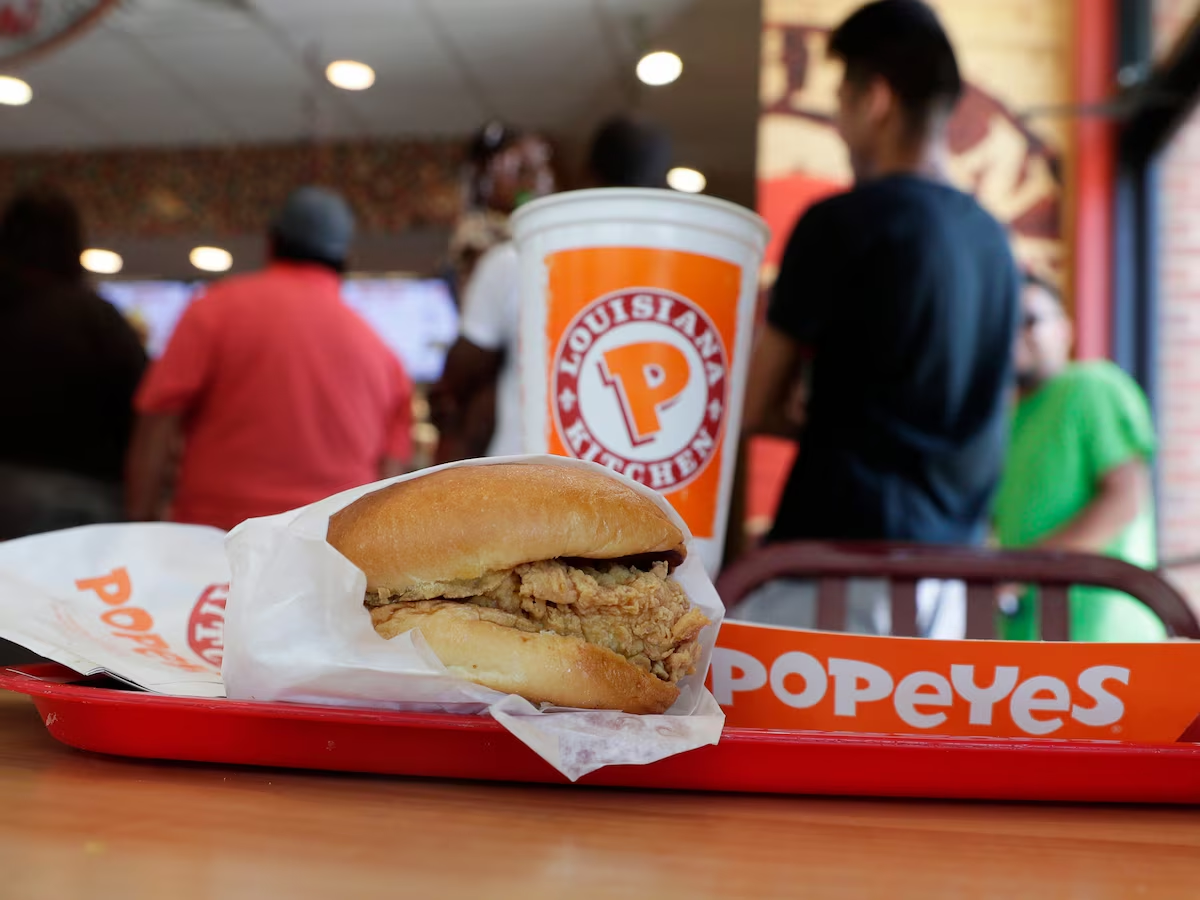
Broader Implications for the Fast-Food Industry
The Ontario Superior Court’s eventual ruling will likely influence how food safety audits are conducted across the country. If the court finds that franchisees were indeed operating “off-book” with unauthorized vendors, it could lead to more stringent government oversight and more frequent inspections from the Canadian Food Inspection Agency (CFIA), even though the CFIA typically focuses on federal processing plants rather than individual restaurant locations.
Key Issues to Watch in the Popeyes Lawsuit:
- Evidence of “Project X” Mentality: Similar to other high-profile corporate cases, discovery will focus on whether there was an internal effort to silence whistleblowers.
- Franchisee Liability: The extent to which individual owners are held responsible for supply chain deviations will set a major precedent.
- Contractual Breach: Whether the termination of ADP’s contract was “for cause” or a retaliatory move will determine the bulk of the $35 million claim.
As we move through 2026, the resolution of this case will be a defining moment for Restaurant Brands International. For a deeper look into protecting business assets during such turbulent times, refer to our latest piece on intellectual property protection strategies for growing brands. Ensuring that every link in your business chain—from the supplier to the storefront—is legally compliant is the only way to safeguard against the kind of catastrophic allegations currently facing Popeyes in Ontario.