

A $250 Million Legal Battle and the Future of Unknown Worlds
The gaming industry is no stranger to high-stakes litigation, but the recent legal showdown between Krafton (the publisher behind PUBG) and the founders of Unknown Worlds Entertainment (the creators of Subnautica) has set a new precedent for corporate disputes. Centered around a massive $250 million earnout bonus and allegations of strategic wrongful termination, this case reached a critical turning point in a Delaware court in March 2026. For those following the development of Subnautica 2, the ruling offers both clarity and a dramatic shift in leadership for the beloved franchise. This case serves as a warning for how performance incentives must be managed in high-value acquisitions.
The Origins of the Conflict: The $250 Million Earnout Agreement
When Krafton acquired Unknown Worlds Entertainment, the deal included a significant performance-based incentive. The founders—Ted Gill, Charlie Cleveland, and Max McGuire—were promised a bonus totaling $250 million if Subnautica 2 met specific revenue and development milestones during its Early Access phase. This “earnout” structure is common in large-scale acquisitions, designed to keep original creators motivated after a buyout by aligning their interests with the long-term success of the intellectual property. However, such structures only work when both parties act in good faith to reach those goals.
The relationship soured significantly in 2025. The founders filed a lawsuit alleging that Krafton intentionally sabotaged the project’s progress to avoid paying the massive bonus. According to the complaint, Krafton leadership systematically delayed the game’s release by withholding resources and eventually fired the founders in July 2025. Krafton countered by claiming “for cause” termination, citing alleged poor performance and the “theft” of company files. This back-and-forth created a toxic environment that stalled development for nearly a year.
The “Project X” Revelation and the Role of AI in Corporate Strategy
The trial in the Delaware Chancery Court revealed startling internal communications within Krafton that shifted the momentum of the case. Evidence surfaced regarding “Project X,” a secret internal task force allegedly created by Krafton CEO Changhan Kim. The primary goal of this group was to find legal or operational loopholes to either renegotiate the $250 million bonus downward or justify the total removal of the original studio leadership. This “takeover” strategy was documented in internal memos that proved highly damaging during discovery.
The ChatGPT Controversy and Pretextual Termination
One of the most unique and modern aspects of the 2026 ruling involved Krafton’s use of generative artificial intelligence. Court documents revealed that Krafton executives had consulted ChatGPT to brainstorm strategies for avoiding the earnout payments. The AI was reportedly used to draft “preemptive framing” for public relations statements, aimed at justifying the firing of the Subnautica creators to the gaming community before the news even broke. Vice Chancellor Lori W. Will highlighted these actions as clear evidence of bad faith and “pretextual” motives for the terminations, suggesting the reasons given for the firing were fabricated after the decision had already been made.
March 2026 Court Ruling: A Major Victory for Game Developers
On March 16, 2026, the court issued a comprehensive 150-page ruling that heavily favored the Unknown Worlds founders. The judge found that Krafton had breached the implied covenant of good faith and fair dealing, which is a cornerstone of Delaware contract law. Key components of the court order include:
- Immediate Reinstatement: The court ordered the immediate reinstatement of Ted Gill as CEO of Unknown Worlds. His full operational authority, including control over the Subnautica 2 Steam page and release schedule, has been restored effectively immediately.
- Extension of Bonus Deadlines: Recognizing that the legal battle and “Project X” hindered the game’s development, the judge extended the deadline for the $250 million earnout to September 15, 2026, with provisions for further extensions into 2027 if milestones remain blocked.
- Removal of Interim Management: The “part-time” executives installed by Krafton during the founders’ absence were ordered to vacate their positions, returning the creative reins to the original team that built the franchise.
Legal Standards and Corporate Governance
This case mirrors many complexities found in other industrial sectors where complex contracts dictate project outcomes. Just as legal frameworks govern the gaming industry, specific structures like integrated design and construction models are used in building projects to prevent similar disputes over milestones and payments. Understanding these frameworks is essential for any business leader navigating a merger or acquisition.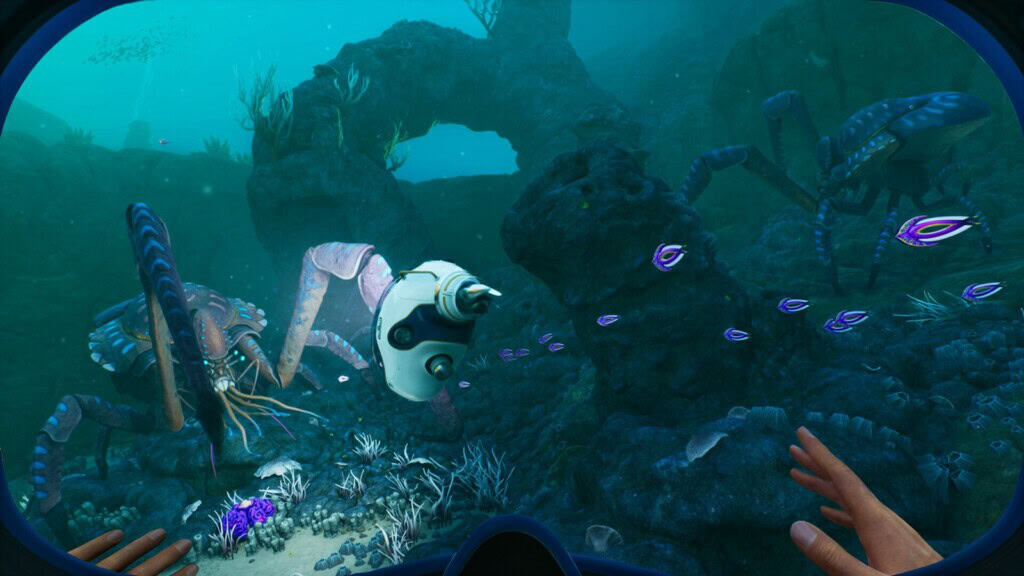
What This Means for the Future of Subnautica 2
For fans of the series, this ruling is seen as a massive win for creative integrity. With the original founders back in control, the development of Subnautica 2 is expected to move forward without the “shadow management” that defined the last year of production. The focus now shifts back to the highly anticipated Early Access launch, which is crucial for hitting the newly extended revenue milestones. The industry is watching to see if the team can recover lost time and deliver a product that meets the high expectations set by the original game.
Furthermore, the legal community is analyzing the implications of the “reinstatement” order. It is rare for a court to force a company to put a fired CEO back in their seat, but the specific nature of the earnout agreement made it the only equitable solution. For more insights on employee rights and contract disputes, you can review our guide on employment law updates for 2026 to see how recent rulings affect high-level executives.
Key Takeaways from the Krafton Case:
- Bad Faith Termination: Companies cannot manufacture “performance issues” simply to avoid contractual financial obligations or “earnouts.”
- AI as Legal Evidence: Internal use of AI tools like ChatGPT to plot legal strategies can be discovered through forensic digital analysis and used as evidence of intent in court.
- Specific Performance: The court’s decision to reinstate a CEO is a powerful remedy that ensures the wronged party can actually fulfill the contract they were hired for.
While Phase Two of the trial will determine additional monetary damages for the period the founders were ousted (including lost wages and emotional distress), the primary victory lies in the preservation of the studio’s independence. As 2026 progresses, the gaming world will be watching closely to see if Subnautica 2 can overcome this corporate turbulence. This case will likely be cited for decades as a landmark example of protecting developers from predatory corporate maneuvers following an acquisition.