

The Crumbl Copyright Lawsuit: WMG’s $24 Million Music Claim and the 2026 Social Media Fallout
In the high-speed world of viral marketing, “trending audios” are often seen as a free ticket to engagement. However, for the dessert giant Crumbl, those 15-second clips have turned into a multi-million dollar legal nightmare. As of March 18, 2026, the Crumbl copyright lawsuit filed by Warner Music Group (WMG) has reached a critical discovery phase, with new court filings revealing the “sophisticated awareness” the company allegedly had regarding its unauthorized music use. WMG is seeking up to $24 million in damages, alleging that Crumbl built its $2 billion brand through the blatant and willful infringement of at least 159 copyrighted recordings.
For SEO strategists and legal analysts monitoring intellectual property litigation, the Crumbl case is a watershed moment for social media law. This article provides a comprehensive update on the April 2025 filing, the “Mystery Cookie” legal admissions that surfaced in early 2026, and the broader implications for brands using TikTok and Instagram as their primary sales engines.
The Allegations: Music as a Marketing Tool
The lawsuit, filed in a Utah federal court, claims that Crumbl used tracks from some of the world’s biggest artists—including Taylor Swift, Beyoncé, Lizzo, and Dua Lipa—without obtaining the necessary commercial licenses. Unlike individual users, who are generally permitted to use “trending sounds” for personal content, corporations are legally required to secure “synchronization” and “master use” licenses for any music used in promotional materials.
WMG’s complaint identifies 286 specific instances of infringement. The music group alleges that Crumbl’s strategy was “thematic,” meaning they deliberately paired songs with specific products to drive sales. For example, the lawsuit cites a video promoting a “Blueberry Cheesecake” cookie that featured the song Blueberry Faygo by Lil Mosey, and a “Kentucky Butter Cake” promotion using Butter by BTS. WMG argues that by labeling these tracks as “original audio” on TikTok, Crumbl attempted to circumvent automated copyright detection systems while still reaping the benefits of the artists’ star power.
The 2026 Shift: Evidence of Willful Infringement
The core of the 2026 legal battle centers on “willfulness.” Under U.S. copyright law, if an infringement is proven to be willful, statutory damages can skyrocket from a maximum of $30,000 per work to $150,000 per work. In January 2026, the court unsealed internal communications showing that Crumbl had received formal cease-and-desist letters from WMG as early as August 2023. Despite these warnings, the company allegedly continued to post infringing content for months.
Perhaps most damaging to Crumbl’s defense is a TikTok video they posted themselves in January 2024. In the video, a caption read: “We were gonna make a funny video to promote Mystery Cookie, but legal said we can’t use any trending audios.” WMG’s legal team has pointed to this post as a “smoking gun,” arguing it proves the company was fully aware of the legal restrictions but chose to ignore them for previous campaigns. As of March 2026, the court is reviewing Crumbl’s motion to limit damages, but legal experts suggest that the “Mystery Cookie” admission makes a defense of “innocent infringement” nearly impossible to maintain.
The End of the “Cookie Wars” Era
This music lawsuit is a sharp pivot from Crumbl’s previous legal history. In 2022 and 2023, Crumbl was the aggressor, filing “trademark and trade dress” lawsuits against competitors like Dirty Dough and Crave Cookies—a period often referred to as the “Utah Cookie Wars.” While those cases focused on “confusingly similar” packaging and rotating menus, the WMG lawsuit represents a much more traditional and high-stakes form of litigation.
The irony has not been lost on the courts or the public. WMG’s filing even cited Crumbl’s own history of aggressive intellectual property enforcement, stating that a company so protective of its own “pink box” and “cookie calendar” should have been equally respectful of the intellectual property of others. This focus on corporate accountability mirrors trends seen in other 2026 litigation updates, such as the Bank of America records lawsuit. Whether it is a song or a mortgage ledger, the demand for legal compliance is a defining theme of the year.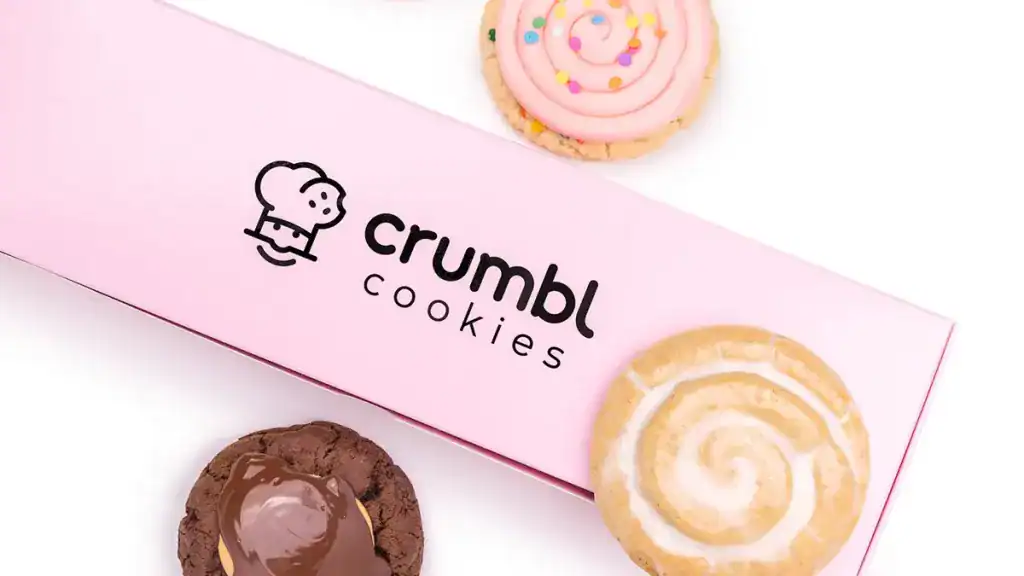
Internal Linking and IP Resources
The procedural complexities of the Crumbl case—specifically the debate over “social media immunity”—are common themes in modern litigation updates. If you are interested in how other major entities handle data privacy and unauthorized tracking, see our analysis of the Together Lawsuit regarding taxpayer data. Similarly, the challenges of managing large-scale corporate reputations during a lawsuit are explored in our report on the Rippling Deel “corporate spy” settlement.
For those monitoring transparency in government and public records, visit our post on the New Mexico IPRA records case. You may also find our update on the T-Mobile 2025 settlement helpful for understanding how “misleading” claims are handled in court. If you are facing a copyright infringement claim or need an IP consultation, please visit the Bill Jones Law Contact portal. Our team also provides a full 2026 breakdown of TurboTax consumer restitution.