

The MAC Cosmetics Facial Recognition Lawsuit: 2026 BIPA Compliance and the Future of Virtual Try-Ons
In the evolving landscape of digital beauty, the line between “convenience” and “surveillance” is increasingly being drawn in the courtroom. As of March 18, 2026, the MAC Cosmetics facial recognition lawsuit has become a focal point for consumer privacy advocates. Originally filed in September 2025 by plaintiff Fiza Javid, the class action alleges that MAC Cosmetics, along with its parent company Estée Lauder, violated the Illinois Biometric Information Privacy Act (BIPA) by scanning and storing consumers’ facial geometry without informed consent. The case, Javid v. MAC Cosmetics Inc., reached a pivotal stage last week when the court denied MAC’s preliminary motion to dismiss, setting the stage for a high-stakes discovery phase in late 2026.
For SEO strategists and legal professionals, this case is more than a dispute over makeup; it is a fundamental test of how “augmented reality” (AR) technology interacts with strict state privacy laws. This article provides a comprehensive breakdown of the September 2025 complaint, the March 2026 judicial updates, and the broader impact on the “virtual try-on” industry.
The Core Allegations: Scanned Without Consent?
The lawsuit centers on MAC’s “Virtual Try-On” tool, which is available both on its website and via in-store tablets. The technology allows shoppers to see how different shades of lipstick or foundation would look on their faces in real-time. According to the complaint, this process is not merely a visual overlay; it requires the software to create a “map” of the user’s facial geometry. Under BIPA, a “scan of face geometry” is considered a biometric identifier, and any company collecting it must follow three strict rules: obtain written consent, provide a clear retention schedule, and never profit from the data.
Fiza Javid’s lawsuit alleges that MAC failed on all three fronts. The filing claims that neither the website nor the in-store sales associates informed customers that their biometrics were being “captured, collected, or stored.” Furthermore, the plaintiffs argue that MAC does not have a publicly available policy outlining when this sensitive data will be permanently destroyed. With BIPA providing for statutory damages of up to $5,000 per reckless violation, the potential liability for MAC—which has served thousands of Illinois residents—could reach into the tens of millions.
The 2026 Update: Motion to Dismiss Denied
The most significant development in 2026 occurred on March 12, when the Circuit Court of Cook County issued a ruling regarding MAC’s attempt to toss the case. MAC’s legal team argued that the Virtual Try-On tool does not “identify” individuals and therefore should be exempt from BIPA. They contended that because the tool does not link the facial scan to a specific name or social security number, it is not “biometric information” as defined by the law.
However, the judge rejected this narrow interpretation. Citing recent 2025 precedents, the court ruled that BIPA is a “preventative” statute intended to protect the data itself, regardless of whether a secondary identification occurs. The ruling emphasized that the act of “mapping” a face is sufficient to trigger the law’s protections. This 2026 decision is a major blow to the beauty industry’s defense strategy, which has long relied on the “anonymity” of AR tools to avoid liability. MAC has now been ordered to provide internal documentation regarding its data storage protocols by June 2026.
A Broader Trend: The “Beauty Tech” Legal Wave
MAC is not alone in this legal storm. Throughout 2024 and 2025, several Estée Lauder-owned brands, including Bobbi Brown and Too Faced, faced similar BIPA challenges. While some earlier cases were dismissed because plaintiffs could not prove they had actually used the tool in Illinois, the Javid filing was specifically tailored to address these jurisdictional hurdles. The success of the MAC Cosmetics lawsuit in 2026 follows the $2.9 million settlement reached by Charlotte Tilbury in late 2024, signaling that the “wild west” of unregulated facial scanning in retail is coming to an end.
This focus on biometric integrity mirrors the transparency demands seen in other 2026 litigation updates. Whether it is a cosmetic company tracking facial features or a financial institution handling sensitive records, the theme of “informed consent” is dominant. For instance, the challenges of institutional record-keeping are explored in our analysis of the Bank of America mortgage records lawsuit. Similarly, the demand for digital boundaries is central to the Together Lawsuit regarding taxpayer data.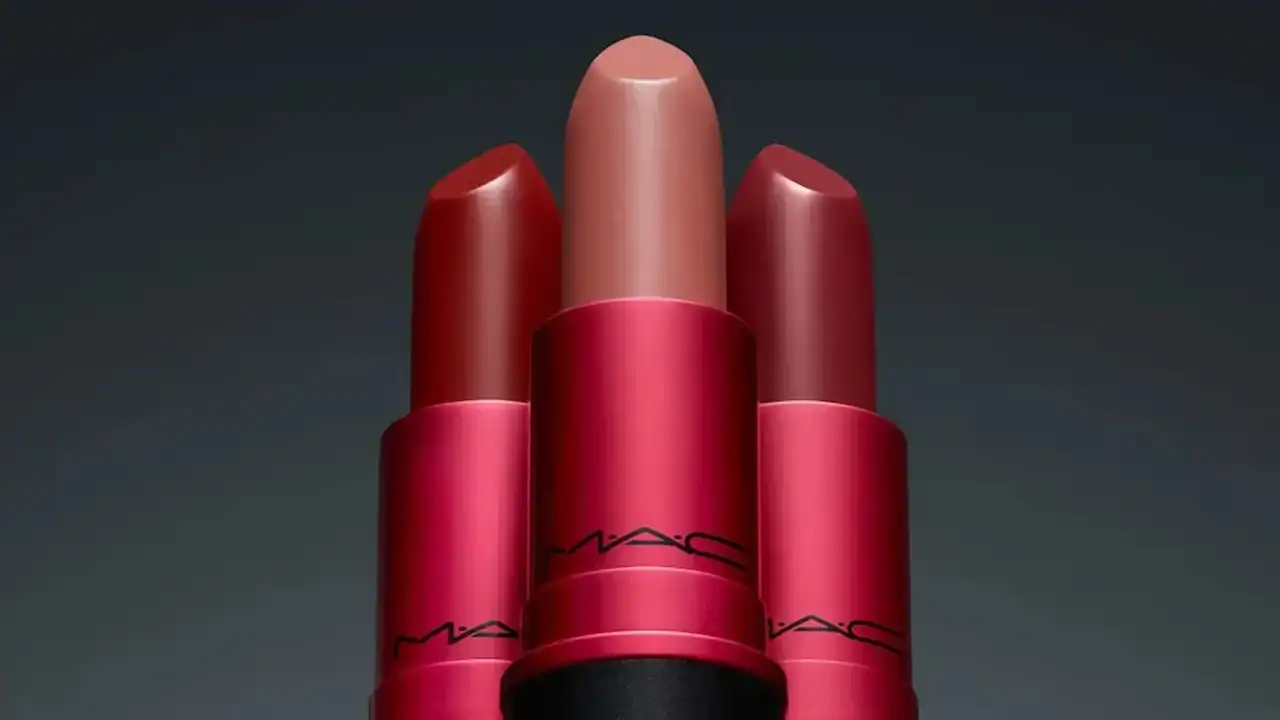
Internal Linking and Privacy Resources
The procedural complexities of the MAC BIPA case—specifically the debate over “anonymous scanning”—are common themes in modern litigation updates. If you are interested in how other major entities handle consumer data and unauthorized tracking, see our report on the Spectrum 2026 hidden fees update. Similarly, the challenges of managing large-scale corporate reputations during a lawsuit are explored in our report on the Rippling Deel “corporate spy” update.
For those monitoring transparency in government and public records, visit our post on the New Mexico IPRA records case. You may also find our update on the T-Mobile 2025 settlement helpful for understanding how “misleading” claims are handled in court. If you are concerned about your biometric privacy or need a consultation regarding a BIPA violation, please visit the Bill Jones Law Contact portal. Our team also provides a full 2026 breakdown of TurboTax consumer restitution.