

The Elijah Obeng v. In-N-Out Burger Lawsuit: A 2026 Deep Dive into the CROWN Act
In the evolving landscape of California employment law, few cases have captured the public’s attention quite like the Elijah Obeng v. In-N-Out Burger lawsuit. Filed in the Los Angeles Superior Court, this litigation serves as a critical test for the CROWN Act (Creating a Respectful and Open World for Natural Hair). As of early 2026, the case has moved into a pivotal phase, highlighting the friction between traditional corporate grooming standards and modern civil rights protections. The plaintiff, Elijah Obeng, a young Black man, alleges that he was wrongfully terminated not for performance issues, but because of his natural hairstyle and cultural expression.
For legal professionals and SEO strategists monitoring corporate litigation, the Obeng case is a masterclass in how state-specific statutes like California’s Fair Employment and Housing Act (FEHA) are being reinterpreted in the 2020s. This article explores the background, the legal arguments, and the broader implications for the “all-American” burger chain and the hospitality industry at large.
Background: From High School Grad to Courtroom Plaintiff
Elijah Obeng’s journey with In-N-Out began in 2020. For nearly four years, he worked at the Compton, California location, a period during which he reportedly maintained a clean disciplinary record. However, as Obeng reached his early twenties, he began to embrace his cultural identity through his hairstyle. The conflict began when he grew out his natural hair and sideburns—traits he considers intrinsic to his identity as a Black man.
According to the complaint, In-N-Out’s management pressured him to cut his hair to fit under the company’s mandatory paper hats. In an attempt to comply while preserving his hair, Obeng began wearing his hair in braids. Despite this compromise, the lawsuit alleges that supervisors targeted his sideburns, culminating in a May 2024 incident where he was sent home in front of his peers and told not to return until he had shaved. He was terminated just days later, an act his legal team calls clear retaliation.
The Legal Pillar: Understanding the CROWN Act in 2026
The core of the $3.2 million lawsuit rests on the California CROWN Act. While the law was passed in 2019, its application in high-profile retail and fast-food environments is still being defined by the courts. The CROWN Act specifically prohibits discrimination based on hair texture and protective hairstyles, such as braids, locs, twists, and knots. It expands the legal definition of “race” to include these physical traits.
The Elijah Obeng lawsuit argues that In-N-Out’s grooming policy—which mandates that male employees be clean-shaven and keep hair tucked away—creates a disparate impact. In legal terms, a disparate impact occurs when a seemingly neutral policy falls more heavily on one protected group than others. By requiring styles that are physically difficult or culturally stripping for Black employees to maintain, the policy is alleged to be discriminatory in practice, even if not in its written intent.
In-N-Out’s Defense and the Move to Arbitration
In-N-Out Burger has robustly defended its policies, citing “legitimate, non-discriminatory business purposes.” Their legal strategy in late 2025 and early 2026 has focused on moving the dispute out of the public eye. The company filed motions to compel mandatory arbitration, claiming Obeng signed an agreement to resolve disputes privately when he was hired.
However, a unique legal hurdle has emerged: Obeng was 17 years old (a minor) when he signed the onboarding documents. His attorneys are currently fighting to “disaffirm” the contract, arguing that a minor cannot be held to such waivers. This procedural battle is essential because it determines whether the facts of the case will be heard by a public jury or a private arbitrator.
Key Allegations in the Civil Complaint:
- Race-Based Discrimination: Violation of the CROWN Act and California FEHA.
- Wrongful Termination: Firing the plaintiff for his refusal to comply with discriminatory grooming standards.
- Intentional Infliction of Emotional Distress: Citing the humiliation of being sent home publicly.
- Failure to Prevent Harassment: Alleging the corporate office ignored the supervisor’s targeting of Obeng.
SEO and Legal Industry Impact: Why This Case Matters
This case is a cornerstone for any SEO strategy focusing on employment law in 2026. It addresses the growing intersection of “Workplace Wellness” and “Diversity, Equity, and Inclusion (DEI).” As more states adopt versions of the CROWN Act, national brands are finding that their legacy “handbook” policies are becoming legal liabilities. For a domain like Bill Jones Law, tracking these settlements provides vital context for clients facing similar workplace challenges.
Beyond the courtroom, the case has sparked a wider conversation about “professionalism” in the digital age. Critics of the lawsuit argue that private companies should have the right to set a uniform “look,” while proponents of the CROWN Act argue that a “look” should never require an employee to alter their natural body or heritage.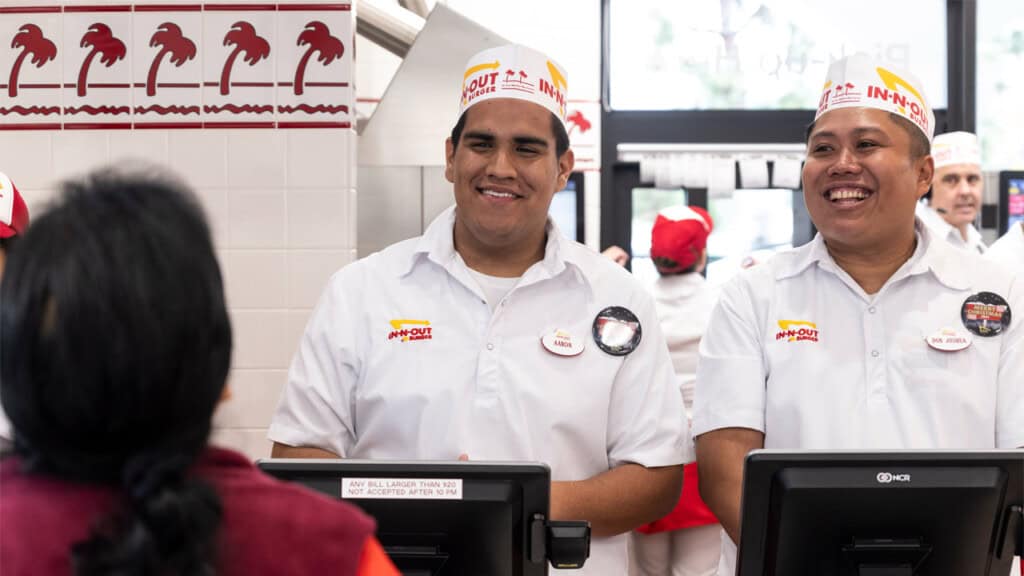
Internal Linking and Resource Guide
To stay updated on the most recent developments in California labor laws, it is essential to monitor the latest 2026 employment law updates. If you are researching similar cases involving corporate misconduct or consumer rights, please visit our comprehensive guide on consumer rights and litigation updates. For those specifically interested in the outcome of this case, the full case history is available via the Los Angeles Superior Court portal under the Elijah Obeng v. In-N-Out filing.
Additionally, if you have questions regarding your own workplace rights, you can reach out to our team at Bill Jones Law Contact for a consultation. We recommend checking our recent post on California employment law settlements 2026 for a broader view of the legal climate.
Conclusion: A New Era for Corporate Grooming Standards
The Elijah Obeng In-N-Out lawsuit represents more than just a dispute over sideburns; it is a battle for the soul of modern workplace identity. As we move further into 2026, the resolution of this case will likely set a precedent for how the CROWN Act is enforced across the United States. Whether it ends in a $3.2 million settlement or a landmark court ruling, the message is clear: the definition of “professional” is being rewritten by a more inclusive generation of workers. Businesses must adapt their internal policies to reflect these legal realities or face the significant financial and reputational risks associated with public discrimination litigation.