

Denver Public Schools Immigration Lawsuit 2026: The “Sensitive Locations” Victory and Safe Zone Policies
As of March 18, 2026, Denver Public Schools (DPS) remains at the forefront of the national legal battle over student privacy and immigration enforcement. Following a historic 2025 federal lawsuit against the Department of Homeland Security (DHS), the district has successfully transitioned from courtroom litigation to a robust internal “Safe Zone” policy. While the original lawsuit (Denver Public Schools v. Noem) was dismissed in June 2025, the district has declared a “strategic victory,” as the litigation forced the federal government to clarify that schools remain “sensitive locations” despite shifts in executive guidance.
The 2025 Federal Lawsuit: DPS v. Noem
In February 2025, DPS made history as the first school district in the United States to sue the Trump administration over its rescission of the Protected Areas Policy. The district argued that the removal of formal “sensitive location” status for schools—which historically restricted Immigration and Customs Enforcement (ICE) activity on campuses—violated the Administrative Procedure Act (APA). The lawsuit was sparked by a series of high-profile immigration raids at apartment complexes in Denver and Aurora, which led to a noticeable drop in school attendance and widespread fear among the district’s 4,000+ immigrant students.
Although U.S. District Court Judge Daniel D. Domenico denied a preliminary injunction in March 2025, the legal proceedings forced federal attorneys to admit that the administration’s new guidance had not “fundamentally changed” the status of schools as protected areas. Based on this admission of transparency, DPS agreed to a joint dismissal of the case in June 2025. In a statement, Superintendent Alex Marrero noted that the lawsuit was “never just about a court case,” but about forcing a public record that schools must remain off-limits to warrantless enforcement.
March 2026: The New “ICE-Free Zone” Policy
Building on the momentum of the lawsuit, the DPS Board of Education is currently finalizing a comprehensive new policy to formalize these protections into district law. In March 2026, the board held hearings on a proposal to designate all school buildings, buses, and bus stops as “ICE-Free Zones.” This policy, which complements the city-wide executive orders issued by Mayor Mike Johnston, establishes strict protocols for staff interacting with federal agents:
- Warrant Requirement: No federal agent is permitted on district property without a judicial warrant signed by a judge. Administrative warrants issued by ICE are explicitly insufficient for entry.
- Data Protection: District employees are prohibited from collecting or sharing information regarding a student’s citizenship status or place of birth unless legally compelled.
- Mandatory Legal Review: If an agent arrives at a school, staff are directed to collect the agent’s name and badge number and immediately contact the district’s general counsel before allowing any interaction with students.
Colorado Senate Bill 26-005: Suing Federal Agents
The legal landscape in Denver is further complicated by a 2026 legislative push at the state capitol. As of March 18, 2026, Colorado Senate Bill 26-005 is moving toward a final vote. Sponsored by Senator Julie Gonzales, the bill would allow individuals injured during immigration enforcement operations to sue federal agents in state court. This “cause of action” would remove certain immunity protections if an agent is found to have violated the U.S. Constitution while participating in an arrest. For DPS, this bill provides an additional layer of potential litigation to protect students and parents during school-related transit.
Governance and Institutional Responsibility
The tension between federal enforcement and local school policy underscores the vital need for clear, documented standards of operation. In high-stakes fields such as large-scale urban development, integrated design and construction models are utilized to provide a transparent “single source of truth” for all parties involved. Furthermore, as school districts across Colorado adjust their internal rules to comply with new state mandates, staying informed on employment law updates for 2026 is essential for administrators who must train staff on the legal boundaries of cooperating with federal authorities.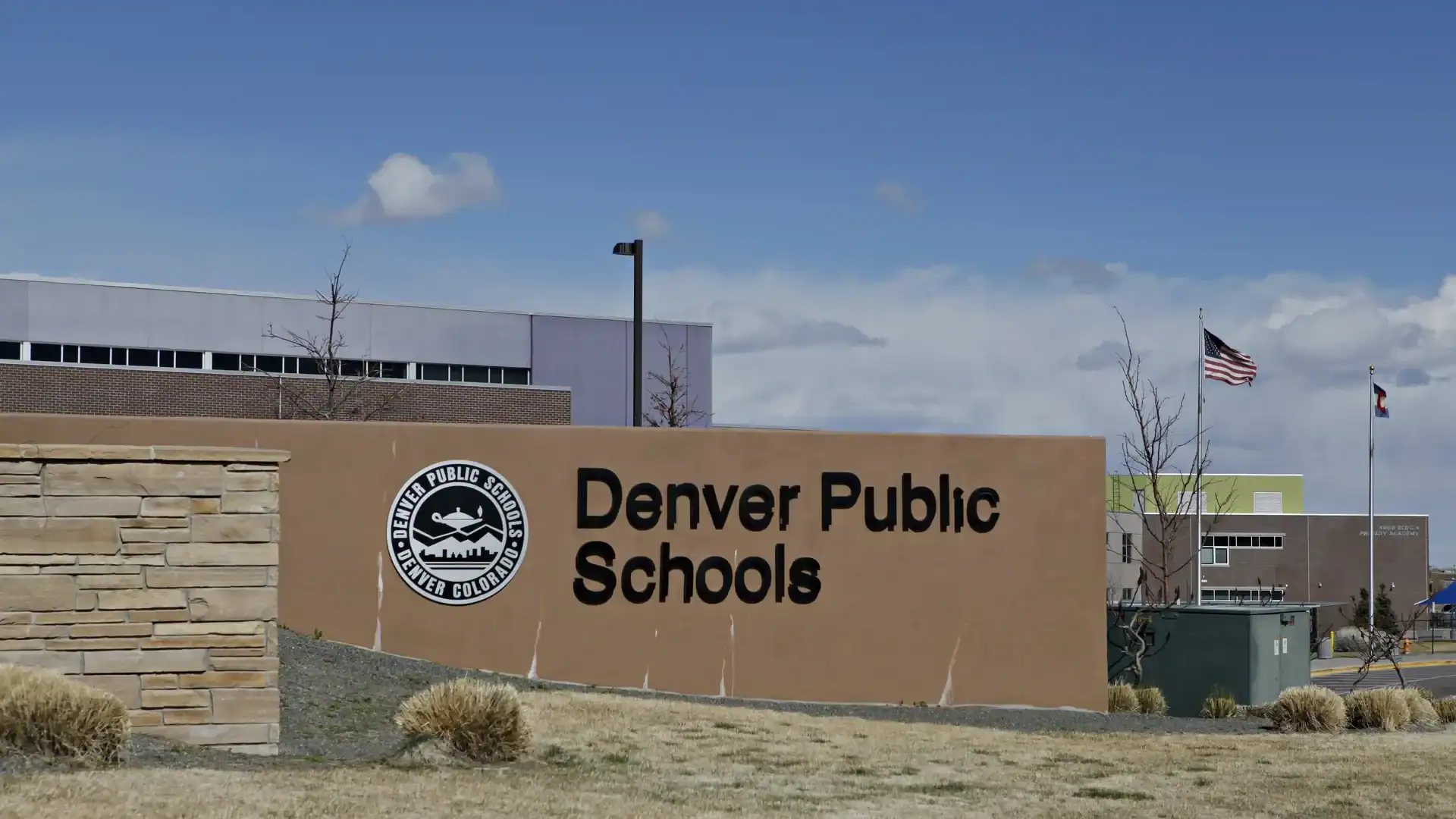
Current Status and Attendance Impact
The district’s proactive legal stance appears to be having a stabilizing effect. In the spring of 2026, DPS reported that attendance in neighborhoods with high concentrations of “new-to-country” families has returned to pre-2025 levels. While federal litigation over warrantless arrests continues in other parts of Colorado, the specific “Safe Zone” protections within Denver Public Schools have established a blueprint for other districts nationwide.
Key Milestones to Follow in 2026:
- Board Final Vote: The final vote to integrate the “Safe Zone” proposal into Board Policy Executive Limitation 10 is expected by the end of March 2026.
- SB 26-005 Enactment: If passed, the ability to sue federal agents in state court will go into effect in July 2026.
- Federal Compliance Audits: Judge R. Brooke Jackson’s ongoing hearings in Denver regarding ICE’s compliance with warrantless arrest injunctions will continue to influence how agents approach “sensitive locations” like schools.