

The Matt Kalil Lawsuit: Privacy, Viral Fame, and the 2026 Legal Battle Over “Private Facts”
In the digital age, the line between a public figure’s career and their intimate life has become increasingly blurred. For retired NFL offensive tackle Matt Kalil, this tension reached a breaking point in early 2026. As of March 18, 2026, the Matt Kalil lawsuit against his ex-wife, influencer and model Haley Kalil (known online as “Haleyybaylee”), has become a landmark case regarding the “public disclosure of private facts.” Filed in January 2026 in the U.S. District Court for the District of Minnesota, the lawsuit seeks damages exceeding $75,000 following a series of viral comments that Kalil alleges have caused irreparable harm to his reputation and the safety of his family.
For legal professionals and SEO strategists monitoring the evolution of privacy law, the Kalil case is a significant study in how the First Amendment intersects with the right to personal dignity. This article provides a comprehensive update on the 2026 filing, the specific allegations of “unjust enrichment” tied to social media monetization, and the defense’s recent motion to dismiss based on the “public figure” doctrine.
Case Origins: The November 2025 Livestream
The conflict traces back to a November 2025 appearance by Haley Kalil on a popular Twitch livestream hosted by Marlon Garcia. During the “Mar-Athon” broadcast, Haley discussed the reasons behind her 2022 divorce from Matt. In a segment that immediately went viral, she made explicit and highly personal comments regarding Matt’s physical attributes and their intimate life. Specifically, she characterized his anatomy as “the biggest factor” in their separation, using a comparison to “two Coke cans” that sparked millions of views across TikTok, Instagram, and X (formerly Twitter).
Matt Kalil, who has largely avoided the spotlight since retiring from the NFL in 2019, argues that these comments were not merely “casual chatter” but a calculated attempt to drive engagement for Haley’s brand. The lawsuit notes that while Matt was a public figure during his time with the Minnesota Vikings and Carolina Panthers, he had since transitioned to a private life as an entrepreneur. The disclosure of such “highly intimate and private facts,” his legal team argues, serves no legitimate public concern and was designed solely for “monetization through viral outrage.”
The 2026 Allegations: Invasion of Privacy and Unjust Enrichment
On January 6, 2026, Matt Kalil officially filed suit, asserting three primary causes of action. The first, Public Disclosure of Private Facts, focuses on the offensive nature of the comments. Under Minnesota law, a plaintiff must prove that the disclosed information was private, its disclosure would be highly offensive to a reasonable person, and it is not of legitimate public concern. Unlike defamation, “truth” is not a defense in these cases; even if the statements are accurate, the act of sharing them publicly can still be a tort.
The second major pillar of the Matt Kalil lawsuit is Unjust Enrichment. Kalil’s attorneys point to the spike in Haley’s social media metrics following the livestream. They allege that she “financially benefited from this surge in traffic,” using the controversy to secure new brand deals and increase her ad revenue. This claim highlights a growing trend in 2026 litigation where plaintiffs seek a portion of the profits generated by “viral hits” that rely on the exploitation of another person’s private life. The suit also details the “disturbing and alarming” messages received by Matt’s current wife, Keilani Asmus, claiming that the viral narrative put their household at risk.
The Defense Strategy: Free Speech vs. Privacy
In response to the filing, Haley Kalil’s legal team filed a motion to dismiss in February 2026. Their defense rests heavily on the First Amendment and the status of the parties as public figures. Her attorneys argue that the lawsuit is an “attempt to dramatically expand existing law” by penalizing a woman for speaking truthfully about her own life experiences and marriage struggles. They contend that as a prominent influencer and a former NFL star, their relationship is a matter of public interest.
Furthermore, the defense asserts that Haley spoke “highly” of Matt throughout the rest of the stream, referring to him as “the greatest guy.” They argue that the “one fragment” being amplified by the media does not represent the full context of her speech. As of March 2026, the court is weighing whether Matt’s retirement effectively returned him to “private citizen” status, which would afford him greater privacy protections than a currently active athlete or celebrity.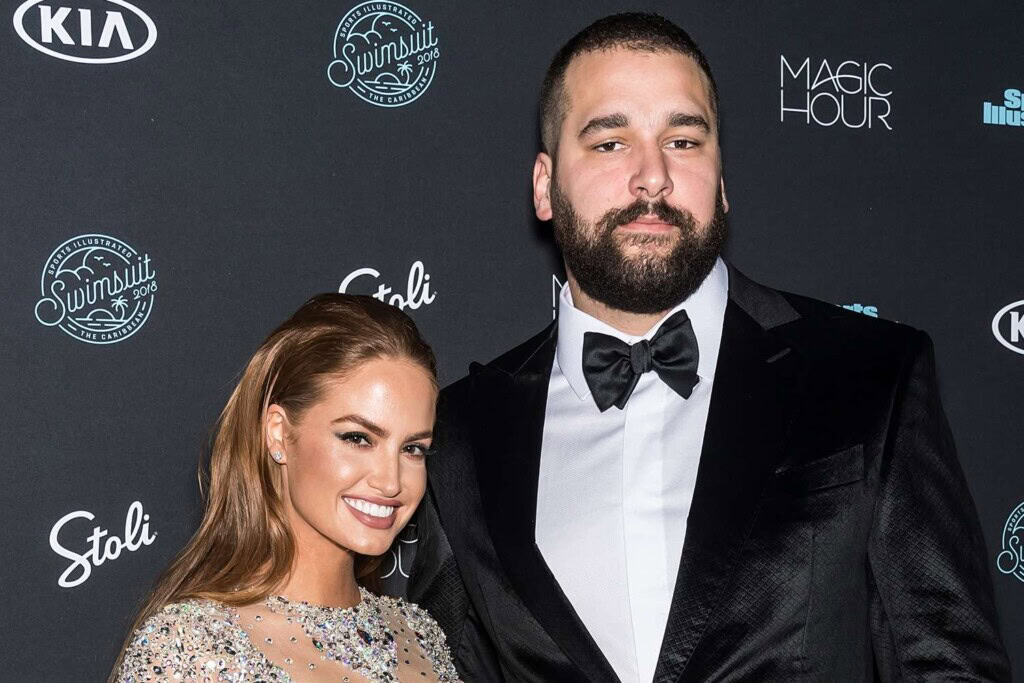
SEO Strategy and the 2026 Media Landscape
From an SEO strategy perspective, the “Matt Kalil lawsuit status” has become a high-intent keyword for those following celebrity breakups and legal precedents. For a legal resource like Bill Jones Law, this case is essential for illustrating the boundaries of “oversharing” in a monetized digital economy. It mirrors the procedural intensity of other high-stakes 2026 cases where private data is weaponized for corporate or personal gain.
Internal Linking and Legal Resources
The legal hurdles in the Kalil case—specifically the debate over “legitimate public concern”—are similar to those found in other 2026 litigation updates. If you are interested in how other high-profile individuals handle contract and insurance disputes, see our analysis of the Kyle Busch Pacific Life settlement. Additionally, the scrutiny of digital communications is a core theme in our report on the Deel vs. Rippling espionage trial.
For those monitoring how public figures navigate paternity and family law, the Stefon Diggs lawsuit update provides valuable context. You can also stay informed on broader consumer privacy rights by visiting our post on the T-Mobile 2025 settlement. If you have questions regarding an invasion of privacy claim or need legal guidance, please visit our Bill Jones Law Contact portal. We also provide a complete 2026 breakdown of public record transparency laws.