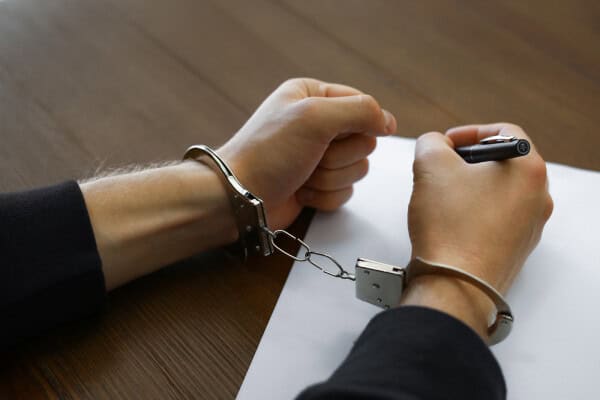

Credit One Bank Debt Collection Lawsuit 2026: $10.2 Million Settlement for Harassment
In one of the most significant consumer protection victories of the year, Credit One Bank has been ordered to pay $10.2 million to resolve a multi-county civil lawsuit. On February 19, 2026, Judge Harold Hopp of the Riverside County Superior Court signed a judgment ending a long-standing investigation into the bank’s debt collection practices. The Credit One Bank debt collection lawsuit, led by a coalition of California District Attorneys, alleged that the Nevada-based lender engaged in “repeated, intrusive, and harassing” phone calls to consumers, often ignoring direct requests to stop. As of March 2026, the settlement stands as a stark warning to the financial industry regarding the limits of automated collection technologies.
For SEO strategists and legal analysts monitoring consumer litigation, the Credit One case highlights the increasing power of state-level task forces in an era of shifting federal oversight. This article provides a comprehensive breakdown of the 2026 settlement terms, the “10-call-per-day” policy that triggered the suit, and what affected consumers need to know about their rights under the Rosenthal Act.
The Allegations: 3,000 Calls a Year for a Single Account?
The lawsuit was the result of an extensive investigation by the California Debt Collection Task Force, which includes the District Attorneys’ Offices of Los Angeles, San Diego, Riverside, and Santa Clara. The complaint alleged that Credit One Bank, or its third-party vendors, utilized an aggressive automated dialing system that bypassed traditional reasonableness standards. According to court documents, Credit One had an internal policy that permitted its vendors to make up to eight calls per day, with an additional two calls allowed under specific circumstances, even on consecutive days.
The plaintiffs argued that this “blitz” strategy constituted an unlawful invasion of privacy and a violation of the Rosenthal Fair Debt Collection Practices Act. Evidence presented in the case suggested that some consumers were receiving over 70 calls per week regarding relatively small credit card balances. Most damingly, the lawsuit alleged that these calls continued even after consumers notified the bank that they had the wrong number or explicitly revoked their consent to be contacted—a direct violation of the Telephone Consumer Protection Act (TCPA).
The 2026 Settlement: Fines, Penalties, and Injunctions
Under the terms of the February 2026 judgment, Credit One Bank will pay a total of $10.2 million without admitting to any wrongdoing. The bulk of this amount—$9 million—is designated as civil penalties, while the remaining $1.2 million will cover the investigative costs incurred by the District Attorneys’ offices. This is a significant escalation from previous penalties; notably, Credit One had been found liable by a federal jury for similar practices in 2019 but allegedly failed to reform its internal culture afterward.
Beyond the monetary payment, the 2026 ruling includes a permanent injunction. Credit One is now legally required to comply with strict call-frequency limits and must implement “robust” skip-tracing verification to ensure they are not badgering individuals who do not even own a Credit One account. For legal professionals, this case is being cited as a rare example of “corporate recidivism” being met with heavy multi-million dollar sanctions at the state level.
National Context: The Decline of Federal Oversight
The timing of the Credit One lawsuit is particularly relevant given the 2026 status of federal agencies. With the Consumer Financial Protection Bureau (CFPB) currently navigating a “life support” phase due to funding disputes and a narrower enforcement mandate in early 2026, state District Attorneys have stepped into the vacuum. This “state-led” enforcement model is becoming the primary shield for consumers facing predatory banking practices.
From an SEO strategy perspective, search interest in “debt collection harassment 2026” and “Credit One refund” has surged following the Los Angeles DA’s announcement. This case mirrors the broader themes of data accountability and consumer boundaries seen in the Together Lawsuit regarding taxpayer data. Whether it is a federal agency or a private bank, the demand for “digital boundaries” is a defining legal trend of 2026.
Internal Linking and Financial Legal Guides
The aggressive tactics used by Credit One—specifically the use of automated systems to bypass privacy—are common themes in recent litigation updates. If you are interested in how other major entities handle consumer data and unauthorized contact, see our report on the Spectrum 2026 hidden fees lawsuit. Similarly, the complexities of institutional record-keeping are explored in our analysis of the Bank of America mortgage records lawsuit.
For those monitoring transparency in corporate governance, visit our post on the Rippling Deel “corporate spy” settlement. You may also find our update on the T-Mobile 2025 price-lock settlement helpful for understanding how “misrepresentation” is handled in the courts. If you are being harassed by a debt collector or need help resolving an inaccurate credit report, please visit the Bill Jones Law Contact portal. Our team also provides a full 2026 breakdown of TurboTax consumer restitution.