

2026 Legal Status and “Actual Malice” Rulings
As of March 2026, a high-profile legal battle between the Trump Administration and the British Broadcasting Corporation (BBC) has moved into a critical phase in the U.S. federal court system. The lawsuit, originally filed in early 2025, centers on a series of investigative reports and documentaries produced by the BBC regarding international business ties and campaign communications. While the litigation was initially met with a motion to dismiss, a federal judge in Florida recently ruled that several of the claims are “legally sufficient” to proceed to the discovery phase, setting the stage for a landmark test of international journalistic standards versus U.S. defamation law.
The Core of the Dispute: “The Unofficial Record”
The litigation was triggered by a BBC Panorama special titled “The Unofficial Record,” which aired globally in late 2024. The program alleged that certain high-level communications during the transition period bypassed official secure channels, potentially violating federal record-keeping laws. Lawyers for the President filed a $50 million defamation suit, arguing that the BBC relied on “anonymous and unverified” sources to construct a narrative of illegality where none existed.
The lawsuit identifies three primary areas of alleged defamation:
- Mischaracterization of Financial Disclosures: The complaint alleges the BBC intentionally misinterpreted complex international real estate filings to suggest hidden liabilities.
- Sourcing Concerns: Trump’s legal team argues that the BBC’s primary “whistleblower” was a former disgruntled contractor with a documented history of bias, a fact they claim the BBC deliberately obscured from viewers.
- The “Criminality” Narrative: The lawsuit takes issue with the documentary’s use of graphic overlays and music that “insinuated criminal conduct” without providing direct evidence of a statutory violation.
March 2026 Update: The Discovery Phase Begins
In a significant development on March 12, 2026, U.S. District Judge Aileen Cannon denied the BBC’s request for a stay of discovery. This means that for the first time in the network’s history, internal BBC editorial communications—including “outtakes,” unedited interviews, and internal Slack messages between producers—may be subject to subpoena by U.S. attorneys. The BBC has fought this move vigorously, citing “journalistic privilege” and the protections afforded to the press under both the First Amendment and the UK’s Royal Charter.
Current developments in the case for March 2026 include:
- The “Actual Malice” Standard: Because the plaintiff is a high-ranking public official, the court has reminded the legal teams that they must meet the extremely high “actual malice” bar established by New York Times Co. v. Sullivan. This requires proving that the BBC knew the information was false or acted with a “reckless disregard” for the truth.
- International Impact: The BBC is simultaneously defending its reporting in UK courts, where the burden of proof in libel cases is significantly different. This “dual-track” litigation has created a complex jurisdictional puzzle for the legal teams involved.
- The “Project X” Memos: Recent filings by the plaintiffs suggest the existence of internal BBC memos—dubbed “Project X”—which allegedly show producers discussing the need to “frame the narrative” in a way that would maximize viewership, regardless of the strength of the underlying evidence.
The BBC’s Defense: Public Interest and Fact-Checking
The BBC remains steadfast in its defense, maintaining that the reporting was a matter of “immense public interest” and followed the network’s rigorous editorial guidelines. In public statements released in early 2026, the broadcaster emphasized that its journalists spent over eighteen months fact-checking the documents featured in the documentary. They argue that the lawsuit is a “strategic litigation against public participation” (SLAPP) intended to chill investigative journalism into the executive branch.
The network has also pointed to the fact that many of the documents cited in the Panorama special have since been corroborated by independent news outlets in the United States and the European Union. However, the Trump legal team maintains that “belated corroboration” does not excuse the original “malicious intent” of the broadcast.
Standards of Accountability and Documentation
The Trump v. BBC case serves as a reminder that in any industry—whether media or construction—the quality of your “record-keeping” is your best defense. In high-stakes professional environments, integrated design and construction models are used to create a transparent, immutable record of every decision made, ensuring that all parties are protected from retroactive claims of mismanagement. Similarly, as the legal environment for large organizations becomes more litigious, staying informed on employment law updates for 2026 is essential for managing the risks associated with internal whistleblower claims and editorial oversight.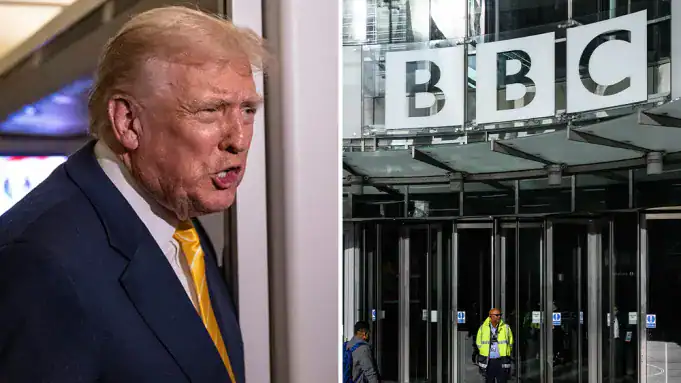
Future Outlook: A 2027 Trial?
Given the volume of documents involved and the international nature of the witnesses, legal analysts suggest that a trial is unlikely to occur before early 2027. In the meantime, the “battle of the motions” continues to dominate the headlines. The court is currently reviewing a request from the Trump team to depose the Director-General of the BBC, a move the network has called “unprecedented and harassing.”
Key Legal Milestones to Watch:
- The Deposition Phase: If high-level BBC executives are forced to testify under oath in the U.S., it could lead to significant disclosures regarding the network’s international investigative tactics.
- Anti-SLAPP Motions: The BBC is expected to file further motions under Florida’s anti-SLAPP statutes, arguing that the suit is a meritless attempt to silence the press.
- Summary Judgment: By late 2026, both sides are expected to file for summary judgment, asking the judge to rule in their favor before a jury is ever seated.
For more insights on how to protect your brand and intellectual assets from reputational damage and legal overreach, explore our latest guide on intellectual property protection strategies. The Trump v. BBC lawsuit is more than a dispute over a documentary; it is a fundamental test of the limits of press freedom and executive accountability in a globalized media era.