

The Alligator Alcatraz Lawsuit 2026: FEMA Funding, Environmental Records, and the Battle for the Everglades
In a major development for Florida’s legal and environmental landscape, the “Alligator Alcatraz” litigation reached a critical juncture on March 16, 2026. Federal records revealed that the Federal Emergency Management Agency (FEMA) has officially lifted an environmental funding hold on a $608.4 million grant intended to reimburse the state for its massive migrant detention operations. The Alligator Alcatraz lawsuit, spearheaded by the Friends of the Everglades and the Miccosukee Tribe, has argued since June 2025 that the facility—located at the Dade-Collier Training and Transition Airport—was constructed in flagrant violation of the National Environmental Policy Act (NEPA). As of March 2026, the case has shifted from a battle over construction to a high-stakes dispute over federal oversight and the transparency of state-federal partnerships.
For SEO strategists and legal analysts tracking corporate and environmental litigation, this case is a landmark study in “interagency accountability.” This article breaks down the March 2026 FEMA funding update, the “withheld evidence” allegations that surfaced in January, and the ongoing ecological risks to the Big Cypress National Preserve.
The Conflict: “Alligator Alcatraz” vs. NEPA Standards
The facility, which gained its nickname due to its isolated location surrounded by the predator-rich waters of the Everglades, was established in early July 2025 as a centerpiece of Florida’s immigration enforcement strategy. The state, led by the Florida Division of Emergency Management (FDEM), maintained that because the site was built on an existing airstrip using state funds, it was not a “major federal action” and therefore did not require a federal environmental impact study. However, conservation groups quickly challenged this narrative, pointing out that the facility involved paving over 800,000 square feet of wetlands and installing industrial-scale lighting and waste systems in a globally unique ecosystem.
The core legal question throughout 2025 was whether the promise of federal reimbursement made the project “federal” from its inception. In August 2025, U.S. District Judge Kathleen Williams ruled that the facility “walks, talks, and quacks like a federal project,” ordering a wind-down of operations. While that order was later stayed by the 11th Circuit Court of Appeals, allowing the facility to remain open through early 2026, the March 16 update confirms that the federal government was indeed a “silent partner” in the funding of the site.
The March 2026 Update: FEMA Lifts the Funding Hold
The most significant update of 2026 occurred when newly unsealed documents showed that FEMA had been withholding the $608 million grant for months due to the lack of an Environmental and Historic Preservation (EHP) review. This internal conflict between state and federal officials contradicted the state’s public claims that no federal money was involved. On March 10, 2026, FEMA sent an email to state officials confirming that the “EHP funding hold” had been lifted.
This reversal is controversial because it remains unclear if a full environmental review was actually completed or if the federal government simply chose to bypass the requirement to settle the litigation. Plaintiffs in the Alligator Alcatraz lawsuit argue that the lifting of the hold without a public environmental impact statement is a violation of the Clean Water Act and the Endangered Species Act, particularly concerning the habitat of the Florida panther and the bonneted bat. The 2026 trial will now focus on whether this retroactive “approval” of funds can legally excuse the initial lack of environmental due diligence.
The “Withheld Evidence” Scandal
The case gained fresh momentum in January 2026 when environmental groups accused state and federal officials of withholding critical emails during the 2025 injunction hearings. These records allegedly show that discussions regarding federal reimbursement began as early as June 2025—weeks before the facility opened. The plaintiffs contend that by failing to disclose these documents, the government misled the court into believing the project was purely state-run.
This focus on document integrity and transparency mirrors the challenges seen in other 2026 litigation updates, such as the Bank of America mortgage records lawsuit. Whether it is a federal grant or a mortgage ledger, the demand for an accurate “paper trail” is a defining theme of the current judicial year. The 2026 status of Alligator Alcatraz proves that in the digital age, “secret” interagency agreements eventually come to light.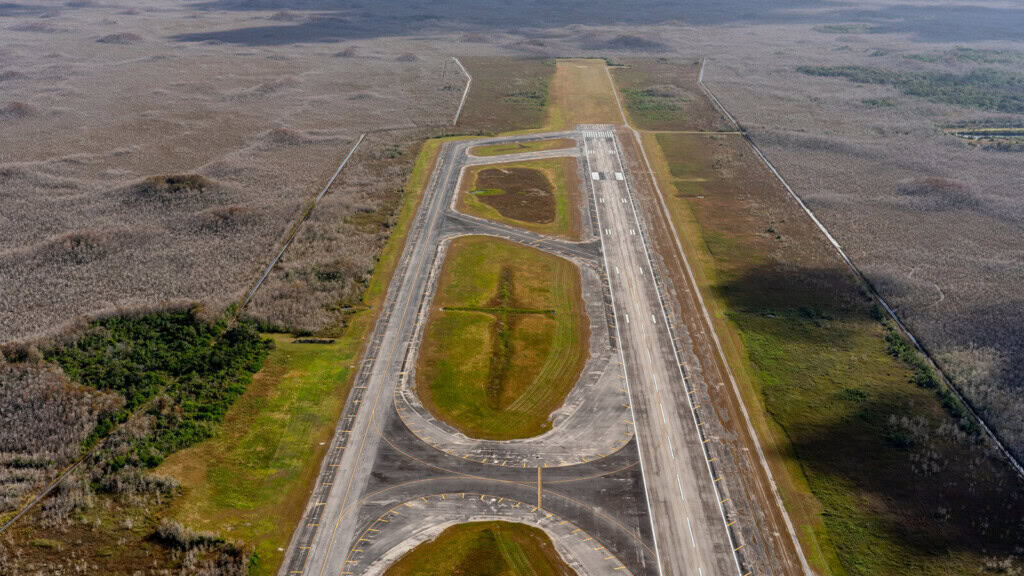
Internal Linking and Legal Resources
The procedural complexities of the Alligator Alcatraz case—specifically the tension between executive orders and environmental statutes—are common themes in modern litigation updates. If you are interested in how other major entities handle data privacy and record-keeping mandates, see our analysis of the Together Lawsuit regarding taxpayer data. Similarly, the challenges of managing large-scale corporate assets are explored in our report on the Rippling Deel “corporate spy” update.
For those monitoring transparency in government records, visit our post on the New Mexico IPRA records case. You may also find our update on the T-Mobile 2025 settlement helpful for understanding consumer protection trends. If you need assistance with an environmental dispute or a public records request, please visit the Bill Jones Law Contact portal. Our team also provides a full 2026 breakdown of TurboTax settlement payments for those seeking consumer restitution.