

The 2026 EPA Grant Termination Lawsuit: Court Battles Over $27 Billion in Canceled Climate Funding
As of March 2026, a high-stakes legal showdown is unfolding in the U.S. Court of Appeals for the D.C. Circuit that could define the limits of executive power over the federal “power of the purse.” At the center of the controversy is the Greenhouse Gas Reduction Fund (GGRF), a $27 billion initiative originally established by the 2022 Inflation Reduction Act. Following a series of aggressive “clawback” actions by the Environmental Protection Agency (EPA) under Administrator Lee Zeldin and the Department of Government Efficiency (DOGE), a coalition of nonprofits, states, and environmental groups has filed suit to restore what they claim is “mandated and obligated” funding. The litigation, led by the nonprofit Climate United, represents a pivotal moment for the future of American green energy investment.
The Catalyst: The “Gold Bars off the Titanic” Freeze
The conflict began shortly after the second Trump administration took office in early 2025. Invoking Executive Order 14154, which paused all unspent funds from the Inflation Reduction Act and the Bipartisan Infrastructure Law, Administrator Zeldin ordered a total freeze on $20 billion in grants previously awarded to eight “green bank” entities. In a widely quoted social media post, Zeldin compared the previous administration’s efforts to disburse these funds to “throwing gold bars off the Titanic,” alleging that the grants were riddled with self-dealing, conflicts of interest, and a lack of proper oversight.
By March 11, 2025, the EPA moved from a freeze to a formal termination of the entire GGRF program. The agency argued that the grants were structured using Citibank as a third-party “financial agent” to bypass traditional Treasury oversight, a move they claimed was a “facially unlawful” attempt to “park” taxpayer money where the next administration could not reach it. This set the stage for a massive legal counter-offensive from the impacted organizations, who argue that the EPA lacks the constitutional authority to unilaterally impound funds already appropriated and obligated by Congress.
March 2026 Legal Status: The D.C. Circuit Rehearing
The legal journey of the GGRF lawsuit has been a rollercoaster for both sides. In April 2025, U.S. District Judge Tanya Chutkan issued a preliminary injunction, ordering the EPA to stop blocking the funds. However, in September 2025, a three-judge panel for the D.C. Circuit Court of Appeals vacated that injunction in a 2-1 decision. The majority ruled that the claims were essentially contractual in nature and should have been brought before the U.S. Court of Federal Claims, rather than a district court.
As of March 2026, the case has reached a critical juncture:
- En Banc Rehearing: On February 24, 2026, the full D.C. Circuit Court of Appeals (sitting “en banc”) heard oral arguments to reconsider the September panel’s decision. This is a rare move that suggests the court recognizes the immense constitutional implications of the case.
- IG Report Findings: On March 9, 2026, the EPA’s own Office of Inspector General (OIG) released a report finding that the agency had actually followed a “rigorous and proper” process in awarding $1.5 billion of the canceled grants. This report has become a key piece of evidence for the plaintiffs, undermining the administration’s claims of widespread “fraud and waste.”
- The Solar for All Lawsuit: In a parallel action, a coalition of states and labor groups (including the Rhode Island AFL-CIO) is suing over the termination of the $7 billion Solar for All program. They argue that because these funds were already awarded to specific state projects, the EPA’s rescission constitutes an illegal breach of contract.
The “Impoundment” Argument and the Separation of Powers
The plaintiffs’ primary legal theory rests on the Impoundment Control Act of 1974 (ICA). Under the ICA, a President cannot simply refuse to spend money that Congress has ordered to be spent. To permanently cancel funding, the executive branch must submit a “rescission message” to Congress and receive legislative approval within 45 days. The lawsuit alleges that the EPA bypassed this process entirely, using administrative “freezes” and contract terminations as a backdoor way to achieve what the law prohibits.
The administration counters that the “One Big Beautiful Bill Act,” passed by Congress in July 2025, effectively rescinded all unobligated funds, making the lawsuit moot. However, the plaintiffs contend that because their grant agreements were signed and “obligated” before the new law took effect, their funding remains legally protected. This “obligated vs. unobligated” distinction is currently the multi-billion dollar question facing the federal judges.
Risk Management in Complex Federal Projects
The instability of federal grant funding underscores the need for private partners to employ sophisticated risk-mitigation strategies. For instance, in large-scale infrastructure, integrated design and construction models provide a framework for accountability that can help protect projects when political winds shift. Additionally, for organizations facing sudden workforce reductions due to grant cancellations, staying updated on employment law updates for 2026 is vital for managing layoffs and contractual obligations to staff.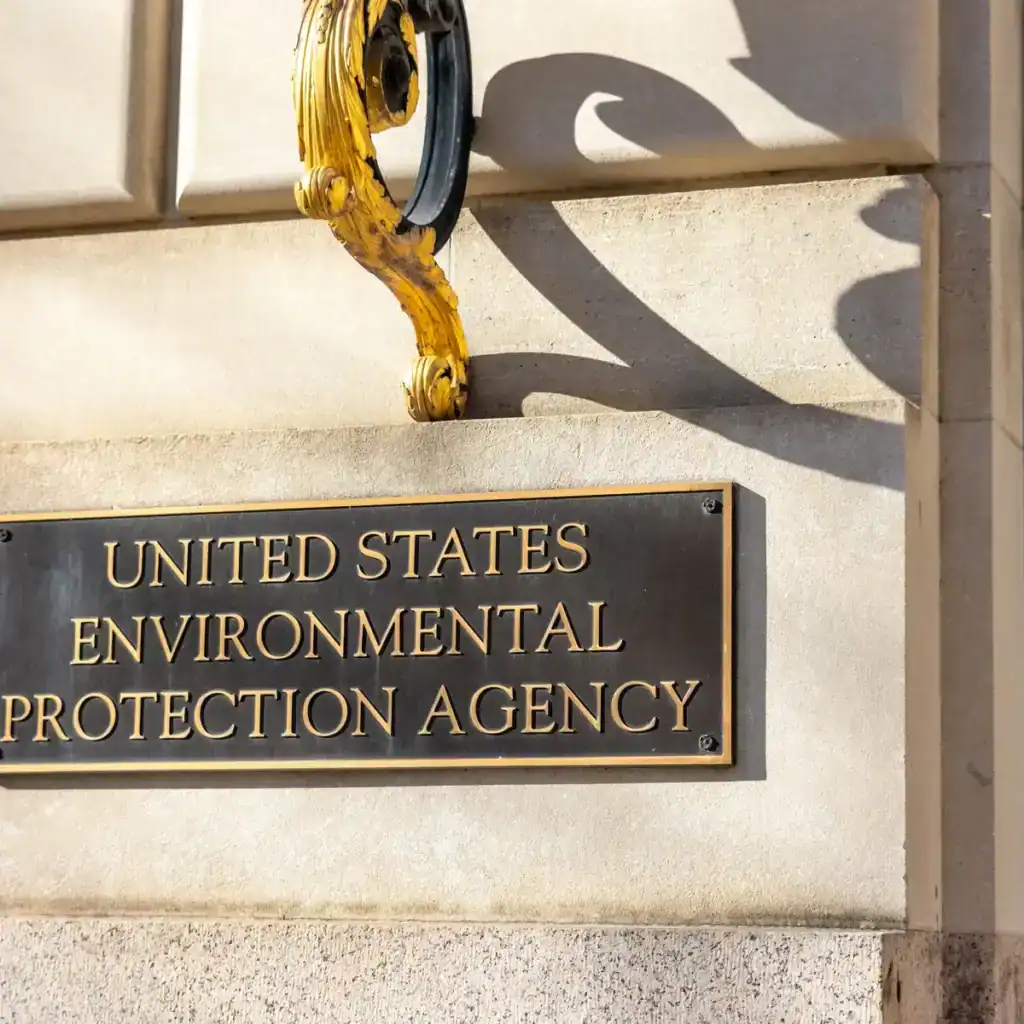
Future Outlook for 2026 and Beyond
If the D.C. Circuit rules in favor of the grantees, the EPA could be forced to immediately release billions of dollars for clean energy projects, including community solar, green steel mills, and home weatherization programs. If the administration prevails, it will solidify a new, expansive view of executive authority over federal spending that could impact every agency from the EPA to the Department of Education.
Key Developments to Monitor:
- The D.C. Circuit Ruling: Expected by late Spring 2026, this will determine if the case proceeds in district court or moves to the Court of Federal Claims.
- Grand Jury Investigations: While the administration initially hinted at “criminal” wrongdoing, no indictments have been filed as of March 2026, a point of significant friction during oral arguments.
- Congressional Oversight: House and Senate committees are currently split, with some lawmakers calling the terminations “flagrantly illegal” while others praise the “clawback of the Biden-era boondoggle.”
For more insights on navigating the complex legal landscape of federal contracting and brand protection, explore our analysis on intellectual property protection strategies. The GGRF lawsuit is not just an environmental case; it is a fundamental test of the U.S. Constitution’s “Power of the Purse” in the 21st century.